Fast movement above a ceiling during the day may suggest a squirrel, particularly if an animal has been seen climbing onto the roof. Yet roof spaces can also contain birds, rodents or building noises. Because wildlife law, roof safety and possible electrical damage all matter, a suspected squirrel is best assessed from clear evidence rather than a rushed attempt to block the entrance.
Recognise the pattern without deciding too soon
Grey squirrels are generally active in daylight and can run, scratch or gnaw in a roof space. A heavy movement along the eaves may be noticeable from a room below. Still, sound travels through joists and pipes, and a small animal can seem larger than it is. Record the time, frequency and position of the noise. Note any calls, nesting material or exterior sightings. A short video of the roofline from the ground can be more useful than an audio recording alone.
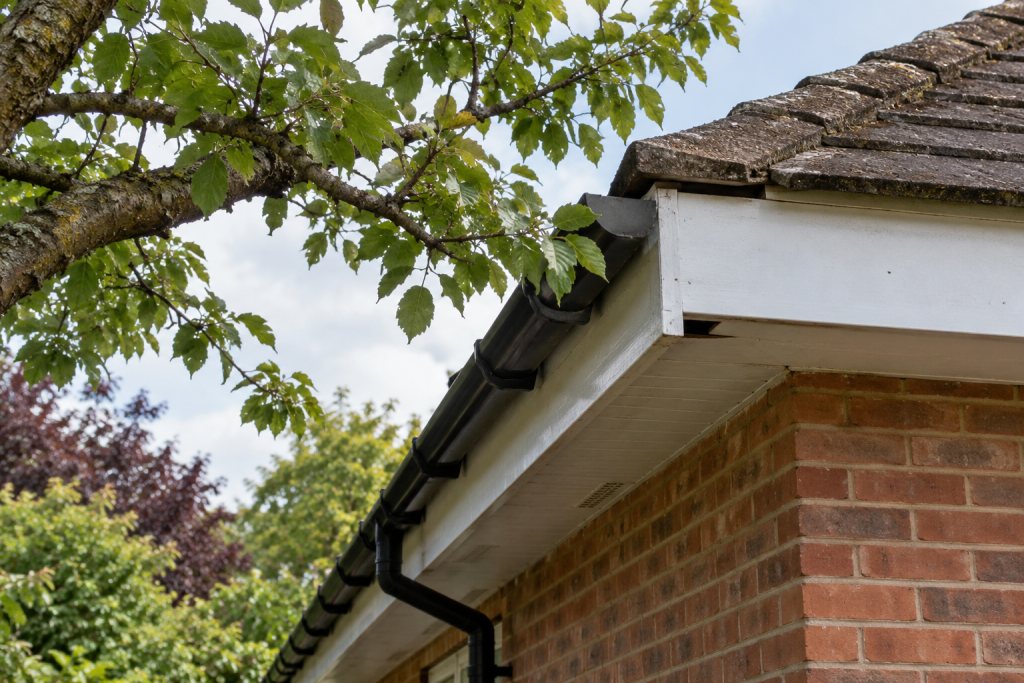
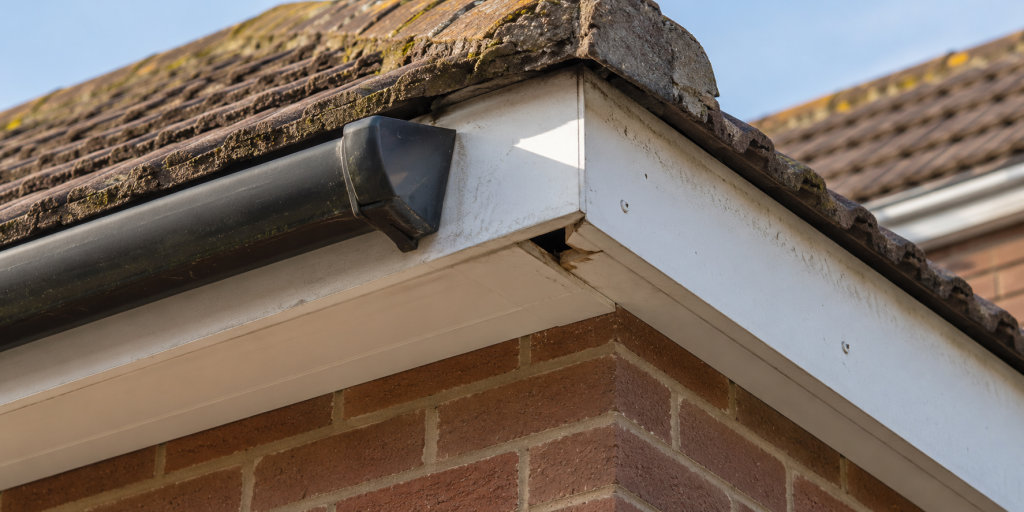
If you see an animal, note where it enters and exits. Do not follow it onto a roof or ladder. A damaged fascia, tile edge or vent can provide access, but the animal may use more than one opening. The squirrel control service can examine the signs and advise on lawful control and subsequent proofing.
What to look for safely
Observe the outside from ground level. Look for repeated movement at the same roof edge, dislodged material or a visible gap. If there is a safe, boarded loft access point, photograph what is visible from there: nesting material, droppings, gnawing and disturbed insulation. Do not step between joists, reach into a dark cavity or lift a nest. Loose insulation can hide wiring and a fall hazard.
Droppings are not a reliable species test without context. A squirrel may also carry nesting material, but birds and other animals do too. The professional assessment should combine exterior route, timing, direct sighting and internal signs. If activity is only audible during heating operation or wind, mention that as well. It may prevent unnecessary pest work.
Why the roof space matters
An animal using a roof space can disturb insulation, damage timber or gnaw cable coverings. Damage is not inevitable, but visible exposed wiring requires prompt attention from a qualified electrician. Do not touch the cable or attempt to assess whether it is live. A pest controller investigates the animal and route; an electrician assesses electrical safety. If water is entering through a damaged roof edge, arrange a building repair too.
Noise may also disturb sleep or make a resident anxious. It is reasonable to seek assessment before extensive damage occurs. Provide the best evidence you have and be open about uncertainty. A rodent control assessment can distinguish whether the signs fit squirrel activity or another animal.
Do not seal an active opening
Blocking a gap while an animal is inside can trap it, prompt it to chew another exit or leave dependent young in the roof. The entrance should be assessed, the species identified and a lawful plan agreed before permanent proofing. Repair materials must also suit the roof construction and weather exposure. An improvised patch can hide a defect without solving it.
Ask who will complete the roof repair and how the space will be checked first. A pest professional may advise on the route and timing, while a roofer handles the building fabric. In a shared building, permission and access may be needed from the managing agent. Document the opening and any repair so later activity can be compared.
Wildlife law changes the options
In England, pest control must use lawful methods and avoid harming protected species. A captured grey squirrel cannot simply be released elsewhere. Bats and their roosts are protected; suspected bat activity requires specialist advice before work that might disturb them. Birds and nests may also be protected depending on circumstances. The correct response starts with identification, especially when an animal is only heard and not seen.
Do not set an unmonitored trap in a loft or relocate a captured animal as a DIY solution. Traps have legal, welfare and practical requirements. A professional can explain which methods are permitted and appropriate for the species and property. This is an important reason to avoid broad claims that every roof noise can be solved by one device.
Could it be a rat or mouse?
Mice and rats can also travel in lofts and wall voids. Night-time scratching and droppings beside service runs may point in that direction, but timing alone is not conclusive. Look for routes through pipes, cupboards and exterior walls. If evidence suggests mice, the mice control service can assess it. Larger droppings, burrows or drainage concerns may require a rat control assessment.
Birds may use eaves or enter a roof space too. Feathers, calls and timing may help, but do not disturb a suspected active nest. A pest professional should recognise when the issue requires wildlife advice. An accurate identification avoids unnecessary treatment and directs the right building repair.
When professional assessment is warranted
Arrange an assessment if an animal repeatedly enters the roof, noises recur, a gap is growing, nesting material appears or wiring and insulation look damaged. Also seek help when you cannot inspect safely. There is no need to wait until the animal is seen indoors. A professional can inspect the accessible space and exterior route, then advise what further access is needed.
Give dates and times of activity, the roof position, photographs or video and any recent repair history. Mention whether the property is rented or part of a managed block. Ask how the species will be confirmed, which areas will be checked, what lawful control is proposed and when proofing can be done. Keep a record of recommendations for the roofer or managing agent.
If the roof edge is above a conservatory, extension or shared walkway, describe that access constraint before the appointment. It may affect how the exterior can be inspected safely. Tell the assessor about solar panels, fragile roof sections and known electrical work in the loft. These details do not identify the animal, but they prevent a plan that assumes easy access where none exists. In a managed property, arrange permission and keys for the relevant areas in advance so the visit can cover both the interior and the likely entry point.
After treatment or repair
A quiet roof is encouraging, but follow the agreed monitoring period. Check for new noise, movement at the former entry point and water ingress. A repair should withstand normal weather and preserve necessary ventilation. If signs continue, report them with dates rather than assuming the same animal returned. Another opening or a different species may need investigation.
Do not clear nesting material until advised that the space is safe and no protected wildlife or dependent young are involved. If cleaning is required, avoid dry sweeping suspect droppings and use appropriate hygiene precautions. Extensive loft contamination or unsafe access may call for specialist cleaning.
A sensible first report
The strongest first report states what was heard or seen, when it occurred and exactly where the route appears. Avoid climbing or sealing in haste. For a Harrow property, send ground-level photographs and a short activity log through the contact page. A proper assessment can then address the animal, legal method and roof repair together.