

LOCAL PEST CONTROLLERS HARROW
About Our Pest Control Service in Harrow
We provide pest inspections, treatment and prevention advice for homes and businesses in Harrow. Our focus is the evidence in the property: what is active, where it may be coming from and which approach fits the affected space.
Call with your postcode and a description of the signs. We will discuss the concern, access and the next available inspection before any treatment plan is agreed.
START WITH THE PROBLEM
How We Approach Pest Problems
The first conversation establishes what you have noticed, when it began and which areas are affected. Previous treatments, photographs and a simple observation log can add context. We do not treat a sound, a bite or an isolated mark as a diagnosis. Where identification is uncertain, the next step is to gather useful evidence.
Inspection findings guide the recommendation. The pest, life stage, available access and everyday use of the property can change the method. Monitoring, physical measures and suitable treatment may be combined. Before work starts, you should understand the scope, preparation, safety instructions and how any further activity will be reviewed.
THE PROPERTY, NOT AN ASSUMPTION
What Happens During an Inspection
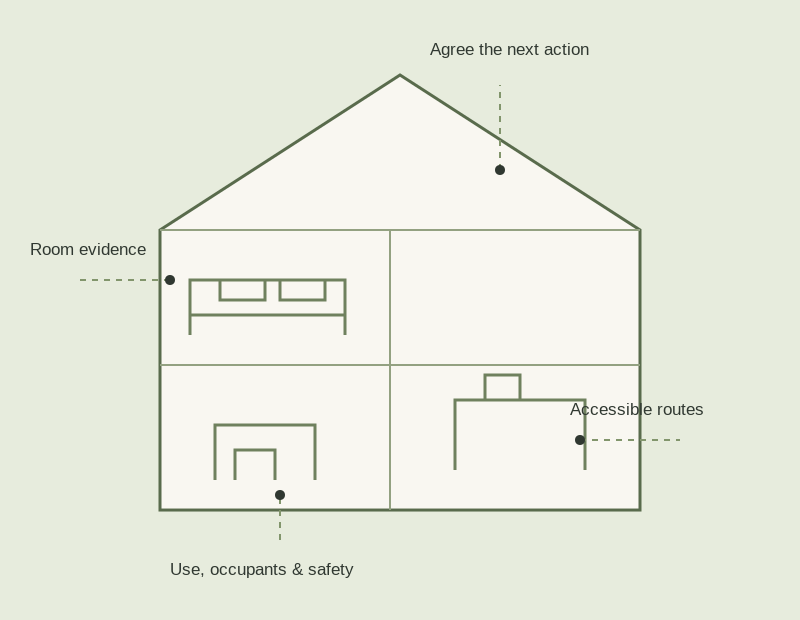
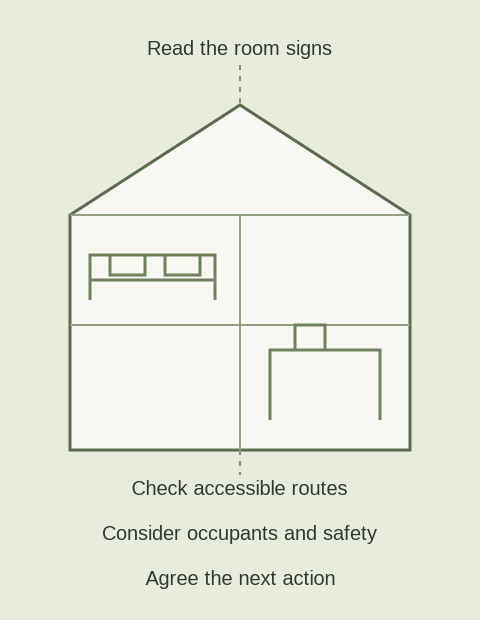
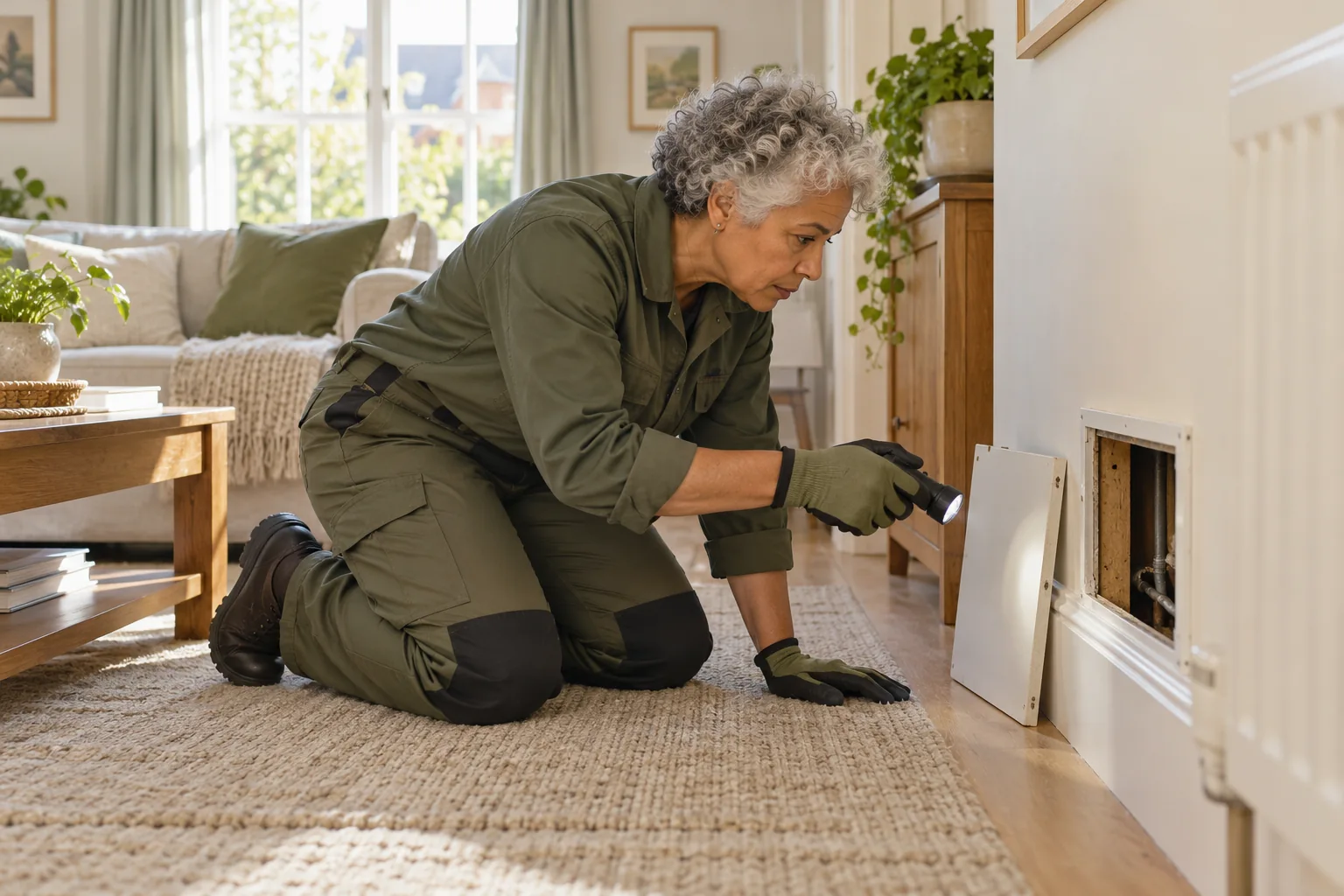
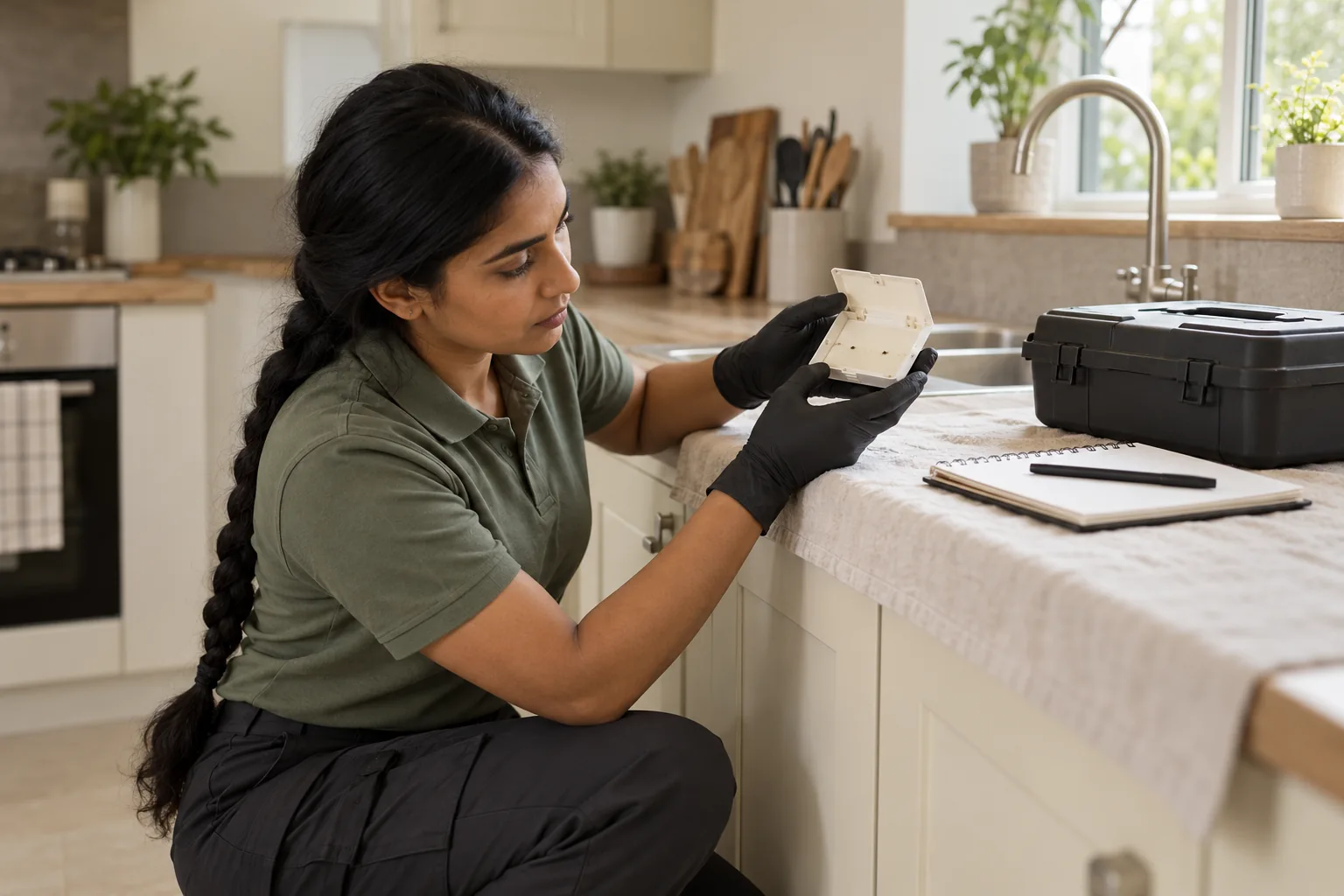
The specialist examines accessible signs of activity and the places likely to hold further evidence. Depending on the concern, this can include cupboard edges, pipe penetrations, bed joints, carpet perimeters or the accessible roof boundary. A torch, mirror, monitor or other suitable inspection tool may help establish the pattern.
We compare the findings with the history you provide and consider possible entry routes, food, shelter and affected materials. Unexamined spaces remain limitations, not areas declared clear. Moving heavy items, opening a void or arranging access to a shared part of a building needs agreement.
The interactive home inspection guide explains the areas commonly checked. For example, mouse control may follow kitchen and pipe routes, while bed bug inspection concentrates on sleeping and resting places. Evidence determines the direction of the visit.

WHY THE METHOD MATTERS
Choosing the Right Treatment
Treatment is selected for the problem found, rather than chosen from a fixed package before the property is understood. People, pets, food preparation, sensitive belongings and safe equipment access all influence the recommendation. Product conditions and the practical limits of a method must be respected.
We explain what the proposed work is intended to address and what it cannot establish on its own. Bed bug heat treatment, for instance, requires its own suitability survey, preparation, monitoring and controlled handover. It is a separate assessment from a conventional targeted treatment.
| Pest Problem | Inspection Focus | Treatment Considerations | Follow-up |
|---|---|---|---|
| Mice and rats | Activity, food access and accessible routes | Suitable protected control and proofing priorities | Fresh signs, control points and remaining access |
| Bed bugs | Seams, joints and nearby harbourages | Targeted methods or a separate heat assessment | New evidence and the agreed review plan |
| Cockroaches | Warm shelter, plumbing and food areas | Monitoring and appropriate targeted treatment | Monitor findings and concealed activity |
| Textile pests | Species, larvae and affected fibres | Material handling, cleaning and suitable treatment | Fresh damage and overlooked sources |
| Fleas and silverfish | Resting areas or sheltered, moist gaps | Species-specific treatment and relevant conditions | Emerging activity or unresolved property factors |

WORKING AROUND EVERYDAY LIFE
Working in Occupied Properties
Tell us before the visit about children, pets, aquariums, visiting carers and relevant access needs. The plan should account for who can enter the affected rooms and what needs protecting. Any period away from a treatment area, re-entry arrangement or cleaning restriction must be explained for the chosen method.
Clear access only where it is safe. Do not move suspect bedding or furnishings between rooms, dismantle fittings or handle contaminated material to prepare for an inspection. In rented or shared premises, establish who authorises work and whether common-area access is available.
For commercial premises, discuss working hours, stock or food protection and any required visit records. Interruptions and restrictions should be agreed before attendance. Afterwards, keep the instructions provided and let other occupants or contractors know which areas or devices must remain undisturbed.
REDUCE THE CONDITIONS FOR A RETURN
Our Approach to Prevention
Prevention follows the likely route and supporting conditions. A gap, accessible food, damp shelter or an overlooked textile source can keep a problem going. The recommendation should distinguish what can be addressed safely during the agreed work from repairs or changes needing separate permission or an appropriate trade.
The timing matters too. Closing an opening without understanding occupancy can complicate wildlife control, and cleaning away all evidence before assessment can make an inspection less informative. We explain priorities so treatment and prevention support each other.
Monitoring then asks a practical question: is there fresh activity, has an entry route remained open, or has the source changed? A review can lead to an adjustment or further investigation. It should not rely solely on a quiet evening or the disappearance of one visible insect.
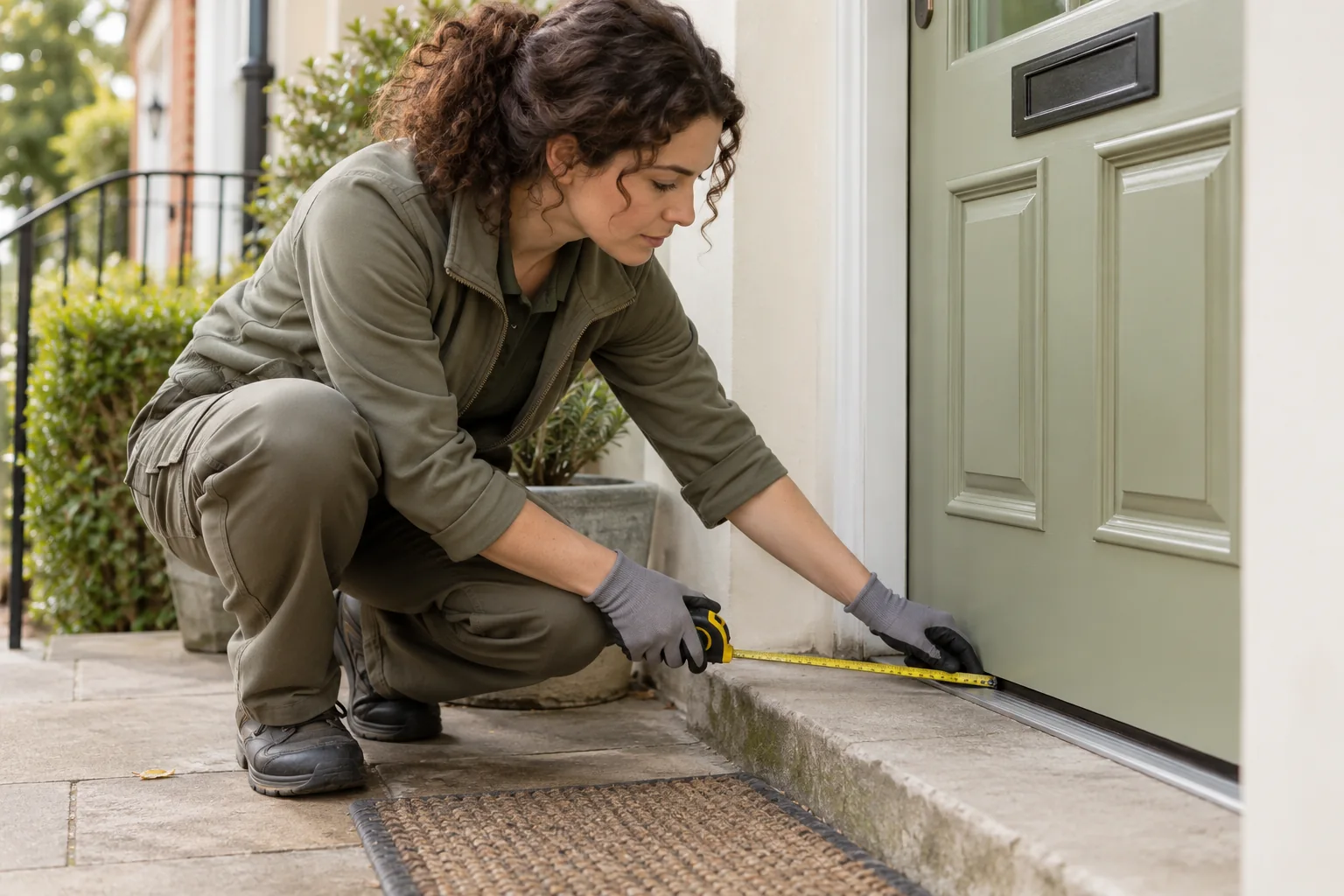
Identify routes and agree appropriate repairs.
Review food, moisture, shelter and materials.
Compare fresh signs with the starting evidence.
EXPLORE THE RELEVANT SERVICE
Services We Provide
Our rodent control services cover mice, rats and squirrels. The inspection considers the species and access before control or later proofing is planned.
For sleeping areas, read about bed bug treatment and the distinct bed bug heat service. Kitchen harbourages require a different approach, explained in cockroach treatment.
Textile damage may require moth control or carpet beetle treatment; identification matters because larvae and sources differ. We also discuss flea treatment around resting areas and silverfish control where concealed shelter or moisture may be relevant.
Each service page explains preparation, possible methods, limitations and follow-up. Ask what the quotation includes, how access affects it and which further visits or repairs would require separate agreement.
A clear service, without assumptions
Will an inspection cover every hidden space?
Only the accessible areas agreed for the visit can be assessed. Concealed voids, fixed fittings and shared building areas may require permission or further access before a conclusion can be reached.
How are treatment recommendations explained?
The specialist relates the method to the evidence, property use and safety requirements. Ask about alternatives, limitations and follow-up so you can understand the scope before accepting the work.
LET US UNDERSTAND THE SIGNS
Need Help with a Pest Problem in Harrow?
Describe the affected rooms, your postcode and what you have noticed. Contact us to discuss a suitable inspection and the next available appointment.