Waking with itchy marks can make bed bugs the first worry. Skin reactions are real and deserve care, but their shape or position cannot confirm which insect, if any, caused them. Fleas, other bites, irritation and skin conditions can overlap. A useful response separates health advice for the person from evidence gathering in the room. This guide explains how to avoid a mistaken diagnosis while still acting promptly.
Why the skin cannot identify the source
People react differently to bites. One person may develop a visible itchy mark while another sharing the same room has little or no reaction. The timing of a mark may not match the exact moment of exposure. Scratching can change its appearance, and several conditions can produce similar red bumps. Even a line or cluster of marks is not a definitive bed bug pattern. The NHS advises looking for environmental signs as well as symptoms.
If marks are severe, infected-looking, associated with a significant allergic reaction or otherwise concerning, seek advice from a healthcare professional. A pest controller cannot diagnose a rash. Likewise, medical treatment for the skin does not identify or remove an insect in the home. Treat these as related but separate questions.
What evidence should you seek in the room?
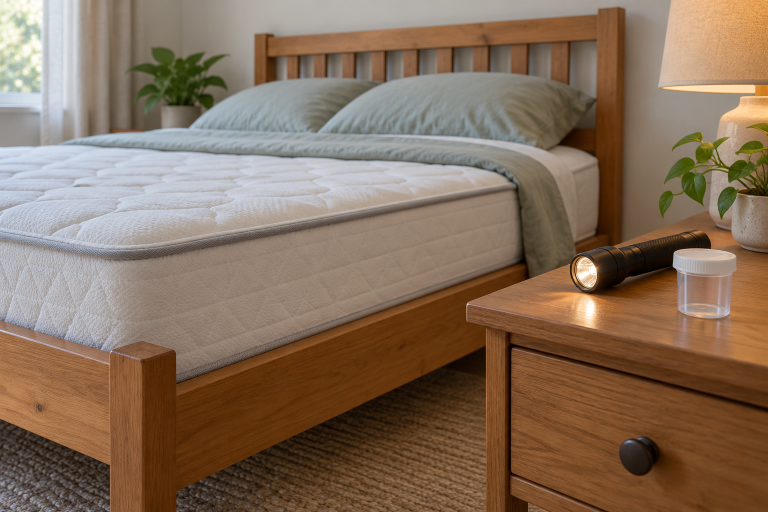
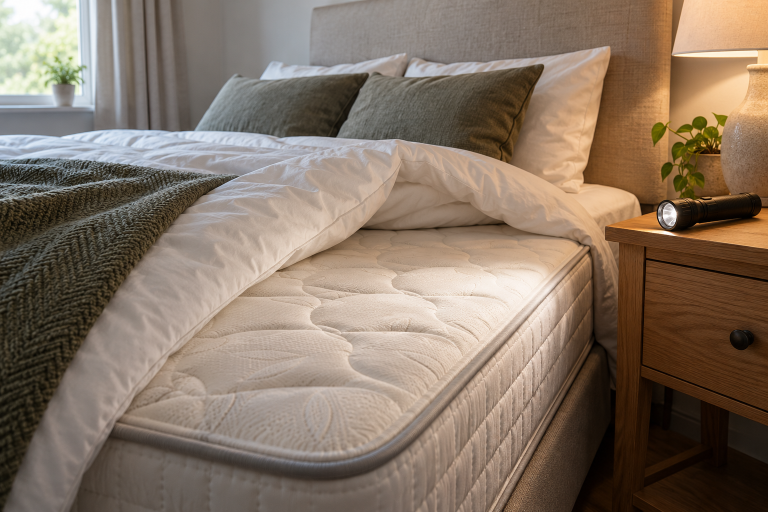
Use a torch to inspect mattress seams, piping, labels, the bed frame and headboard. Look for a live insect, cast skins and dark spots in protected cracks. Photograph each finding in place and include scale. Do not strip the room or move loose belongings from one bedroom to another. A bed bug inspection and treatment service can identify suspect material before a treatment decision is made.
Small blood spots on bedding can be relevant but are not proof by themselves. A stain may have another source. A clear specimen is stronger evidence. If you find a suspect insect, use a sealed clear container or high-quality photograph and avoid crushing it. Identification matters because other small household insects require different responses.

Consider other explanations without guessing
Fleas may be relevant where pets or previous animal activity are involved. They can bite people, but the presence of a pet does not prove fleas. Check for insects and ask for a proper identification; the flea treatment service addresses a different pest. Skin irritation can also arise from laundry products, fabrics or medical conditions. A clinician can assess the person, while a pest professional assesses the room.
Carpet beetle larvae and other insects can be found near bedding and may be mistaken for bed bugs. The insects themselves, their skins and their preferred materials differ. Do not start bed bug treatment because an image search matched an unfamiliar speck. A carpet beetle assessment may be more relevant if larvae or bristly shed material is found.
Travel and recent purchases are clues, not proof
Recent hotel stays, visits, guests or second-hand furniture can help an assessor decide where to inspect first. They do not prove where an insect came from. Avoid blaming a venue or another person based only on bites. Note dates, luggage location and when the marks began. Inspect bags and the sleeping area carefully, keeping suspect items contained rather than spreading them through the home.
If a possible exposure happened during travel, do not immediately move to another bedroom at home. A sensible containment and laundering plan is more useful. Bag washable items in the room before taking them to the machine and follow fabric care labels. A professional can advise about items that cannot be washed or heated.
Do not treat the room on symptoms alone
Using a household insecticide without identifying the pest can expose occupants unnecessarily and make later inspection harder. Some products are inappropriate for mattresses or sensitive items. Moving furniture or throwing it away can also spread insects if they are present. Ask for identification and a clear plan first. The bed bug heat treatment option is one method to discuss after confirmation and property assessment, not a diagnostic test.
If bed bugs are confirmed, follow the chosen treatment instructions precisely. Different methods may require different preparation and follow-up. Keep a written record of what was found, which rooms were assessed and when monitoring is due. A treatment success claim should rest on inspection and follow-up evidence, not the disappearance of skin marks alone.
Why bites can continue to confuse after treatment
A skin reaction may be delayed, and existing irritation can remain after an insect is removed. New marks therefore require careful interpretation. Record the date and location of symptoms, but also look for new live insects or other room evidence. Do not repeatedly spray or discard belongings each time a mark appears. If symptoms persist, seek medical advice while the pest professional reviews environmental evidence.
Monitoring devices may help, but an empty monitor does not prove absence. Ask where devices should be placed and how often they should be checked. Photograph any captured insect before moving it. In a shared building, follow-up may need access beyond one bedroom if confirmed activity extends elsewhere.
Protect sleep while investigating
It is understandable to feel uncomfortable sleeping in a room where bed bugs are suspected. Avoid moving to a sofa or another bedroom without advice, as it can change where insects seek a host and complicate the inspection. Keep the room orderly enough to inspect, launder items according to the plan and avoid placing luggage or loose clothing on the bed. Ask the pest professional what is appropriate for your circumstances.
If anxiety or poor sleep is becoming a serious problem, discuss that with a healthcare professional too. The aim is to resolve the uncertainty with evidence, not to dismiss the distress caused by unexplained marks. A clear inspection appointment and monitoring plan can provide a practical next step.
What to tell the assessor
Give dates of symptoms and travel, the rooms involved, any insect photographs and what products have already been used. Say whether anyone else has symptoms, while recognising that different reactions do not confirm or exclude bed bugs. Mention a recent used mattress or furniture item, but do not assume it is the source. The professional can inspect likely harbourages and explain what was actually found.
Ask for a written identification or explanation of uncertainty. If evidence is inconclusive, agree what to monitor and when to review. If another pest is identified, the treatment should change accordingly. Avoid paying for a broad treatment that is not tied to a verified problem.
Keep the record simple enough to maintain: a dated note of each room check, any specimen and where it was found. Avoid photographing the same skin mark repeatedly as the main evidence, because its appearance changes as it heals. A useful room photograph shows the seam or joint and a clear location within the bed. If a clinician has already advised on the skin symptoms, tell the assessor only what is relevant to the timeline; the room inspection should still stand on its own findings.
A more reliable conclusion
Bites are a reason to care for the skin and look carefully at the sleeping environment. Confirmation depends on the insect or characteristic environmental evidence assessed in context. If you have unexplained marks and suspect bed bugs in Harrow, share photographs of any room signs and a short timeline through the contact page. That gives an inspection a useful starting point without turning symptoms into a diagnosis.