

HARROW · HA1 & HA2 / SPECIALIST TREATMENT
Bed Bug Heat Treatment Harrow
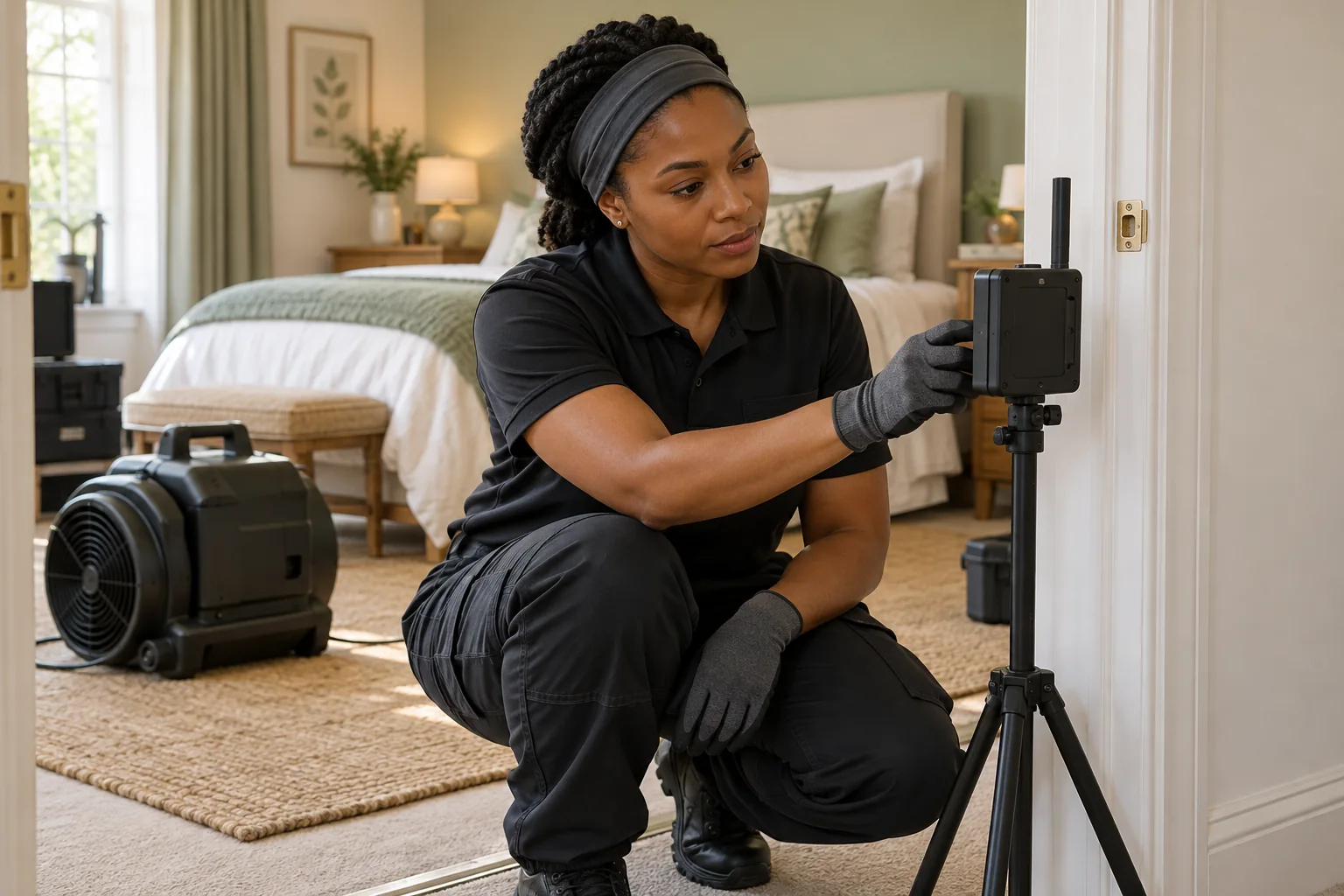
Specialist heat treatment requires more than placing a heater in a bedroom. A suitable plan defines the treatment area, checks the contents and access, positions equipment and monitors relevant locations.
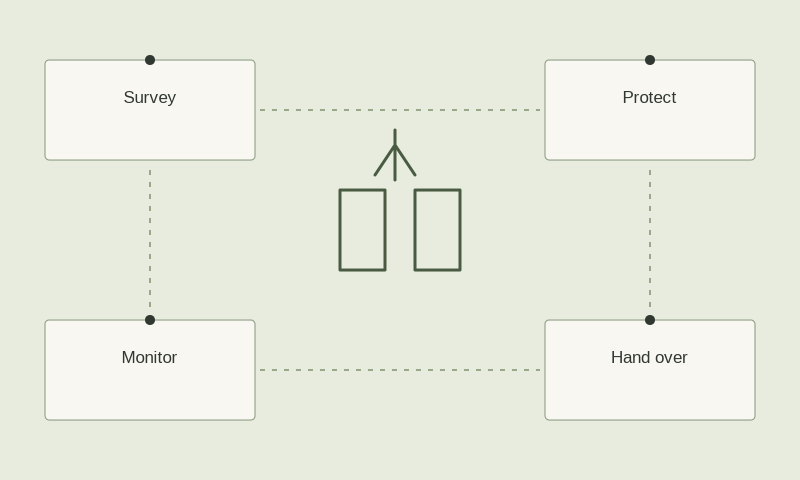
Heat planning: boundary to handover
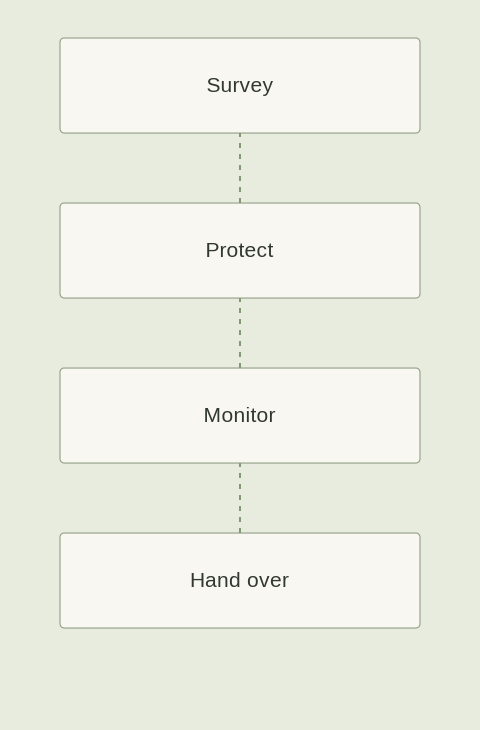
Survey
Map evidence, layout and access.
Protect
Review contents and safe equipment routes.
Monitor
Check relevant locations, not only warm room air.
Hand over
Control cooling and explain return conditions.
A separate assessment for a specialist method
Heat is considered after bed bug evidence and its likely distribution have been assessed. Tell us which rooms are affected, where people sleep, how long physical signs have been noticed and what treatment has already been attempted. Bites without supporting evidence do not establish that heat treatment is needed. The initial discussion should also cover adjoining rooms and any spaces that cannot be inspected.
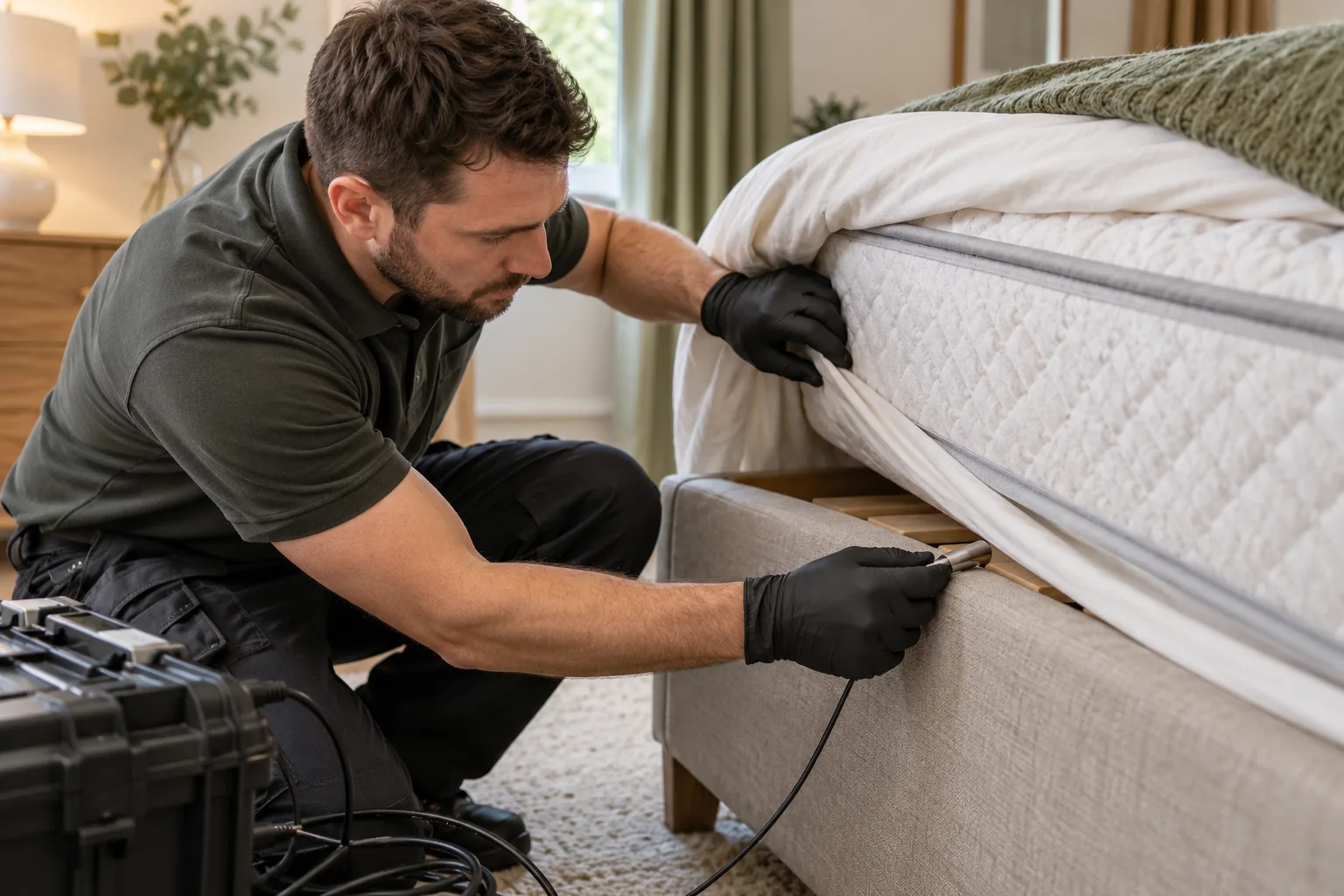
The room survey checks bed structures, furniture, sheltered joints and accessible surrounding areas. A visible insect in one room does not automatically define the whole treatment boundary. If a targeted application or another combined plan is more appropriate, the standard bed bug treatment service explains those options. Heat and conventional treatment are distinct approaches with different preparation requirements.
Deciding whether the property is suitable
Room dimensions, layout, construction and contents affect how a treatment can be planned. The assessment considers accessible voids, dense furnishings, connections to adjoining spaces and items that could restrict air circulation. An inaccessible area must be recorded; it cannot be treated as checked simply because nearby air has warmed. The chosen boundary should be explained before equipment is brought in.
Equipment routes, working space and power or other supply arrangements require confirmation for the proposed system. Access through stairs, lifts or communal corridors may need coordination with a landlord or managing agent. A survey can reveal that additional access or a different method is needed. Do not assume that every room, flat or furnished space is suitable for the same heat setup.
Belongings are assessed before anything is removed
Use the specific heat preparation checklist, rather than a general insecticide checklist. Tell the specialist about medicines, aerosols, batteries, electronic equipment, delicate finishes, valuable objects and any material whose heat tolerance is uncertain. Their treatment compatibility must be reviewed, with manufacturer guidance where needed. Do not presume that unplugging an item makes it suitable to remain in the treatment area.
Removing belongings without a plan can transfer insects into another space. Items approved for removal should be contained and managed in the agreed way. Things that remain need to be arranged so the selected method can reach the intended locations without creating avoidable damage risks. Raise any uncertainty before the day, particularly for items that cannot easily be moved or inspected.
Preparing for monitored heat
| Preparation topic | What to clarify | Customer action |
|---|---|---|
| Sensitive belongings | Compatibility with the proposed process | Identify items before removing them |
| Furniture and access | Safe reach and circulation requirements | Follow the agreed positioning checklist |
| Occupants and pets | Restricted areas and handover conditions | Arrange alternative access or accommodation if needed |
Preparing the room and protecting the building
The practical preparation aims to expose harbourages and allow controlled circulation within the agreed boundary. The technician explains furniture positioning, storage arrangements and any access needed around beds or upholstered items. Customer lifting limits matter: preparation should not depend on somebody moving a heavy bed or appliance unsafely. Structural changes and removal of fixed fittings require permission and are not assumed to be included.
Neighbours, other occupants and pets may be affected by access restrictions even if they are outside the treatment room. Discuss the management of alarms, building systems and shared spaces with the appropriate responsible person; do not disable safety systems yourself. Keep the route for equipment clear, and identify any surface or finish that needs protection before work begins.
Positioning equipment for the agreed area
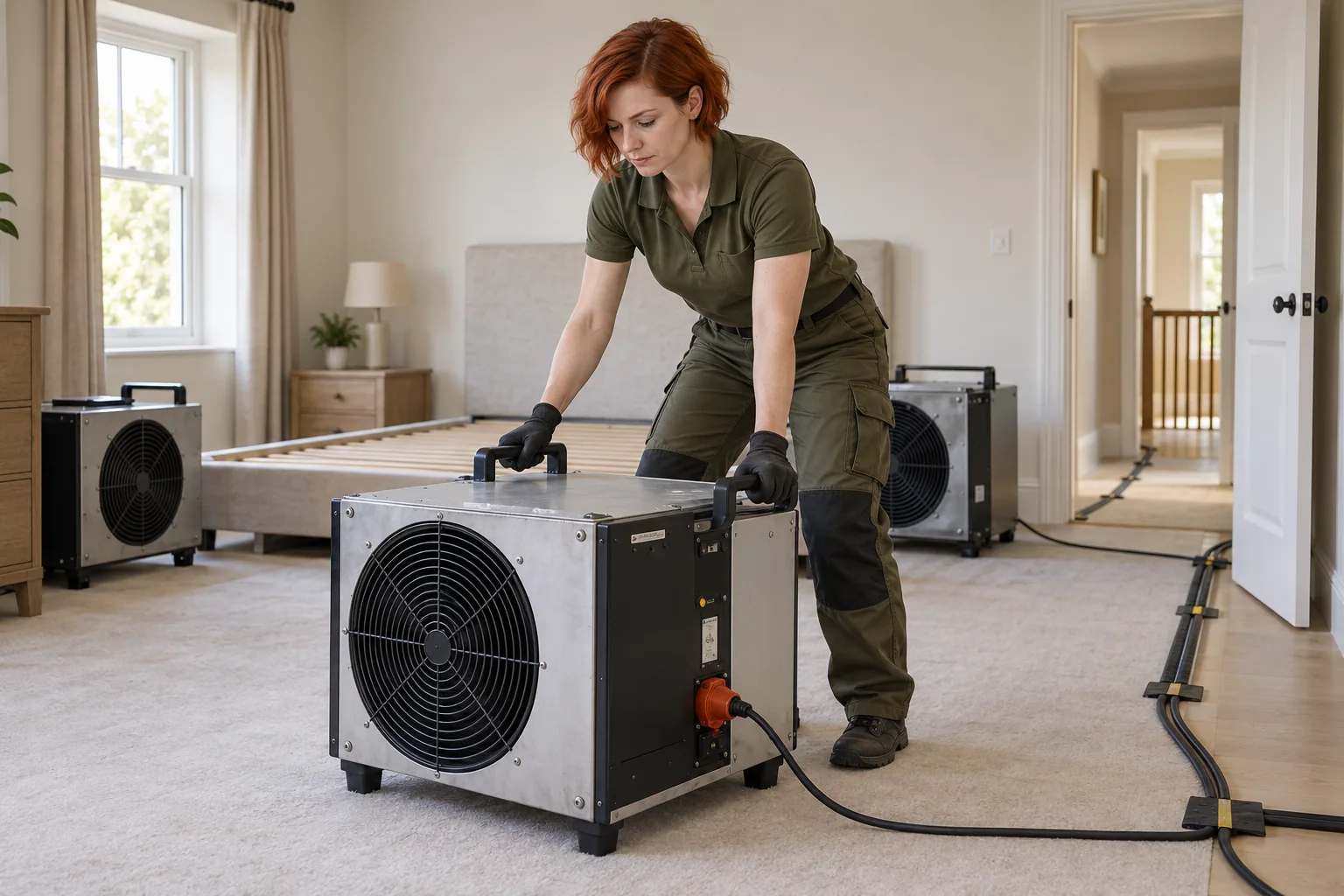
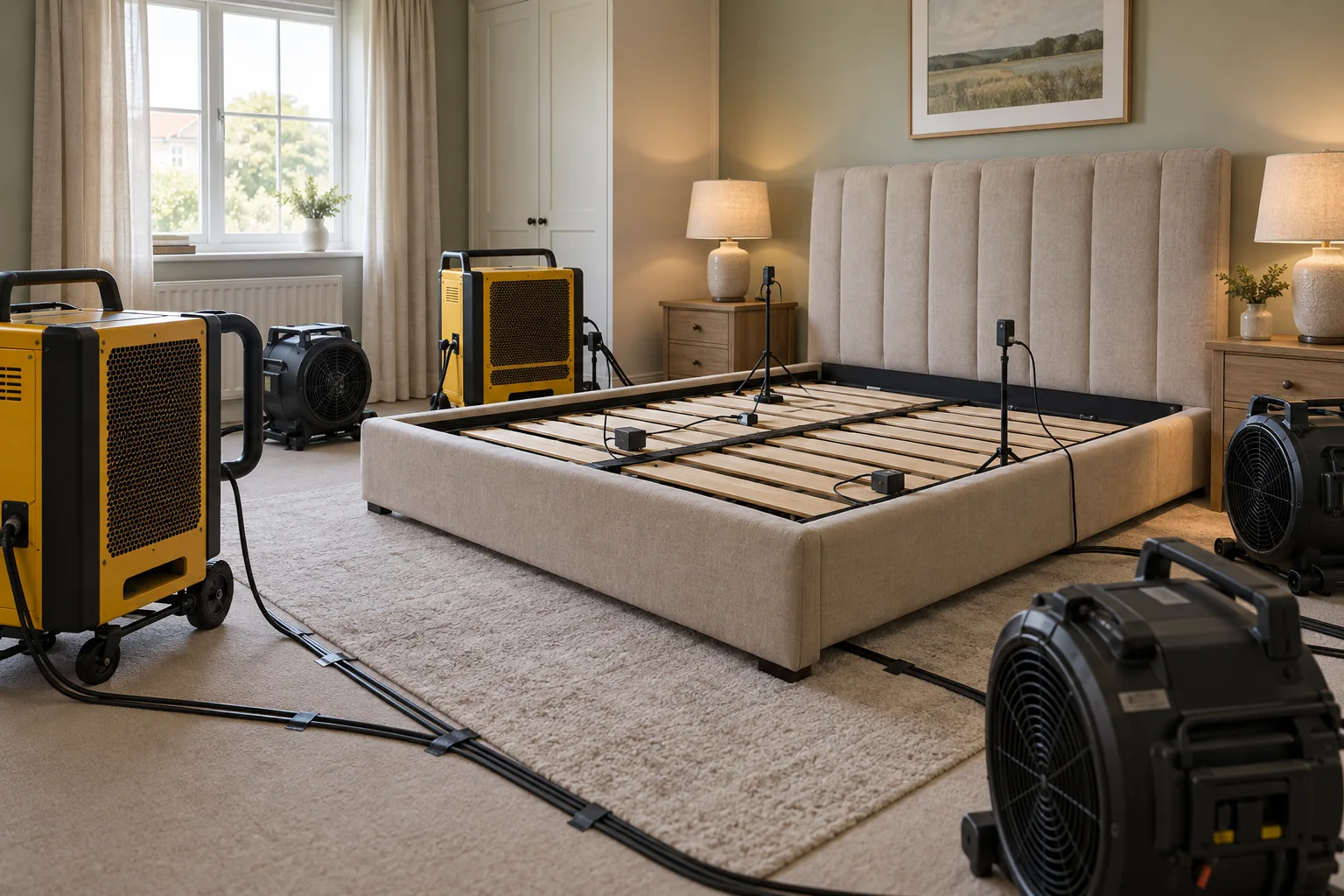
Professional heating and circulation equipment is selected for the assessed space. The arrangement should address the layout and contents rather than simply directing warm air at a visible mattress. Equipment, cables and any ducting need a planned route, with attention to trip hazards and keeping people away from working components. The equipment type and supply requirements are confirmed for the assessed space.
Temperature probes are positioned to examine relevant locations within the treatment area, including places that may warm more slowly than open air. A single reading near a heater is not a substitute for understanding sheltered sites. Do not move equipment, probes or room contents during treatment. Changes can alter the plan and invalidate the meaning of the recorded readings.
Where slower warming can matter
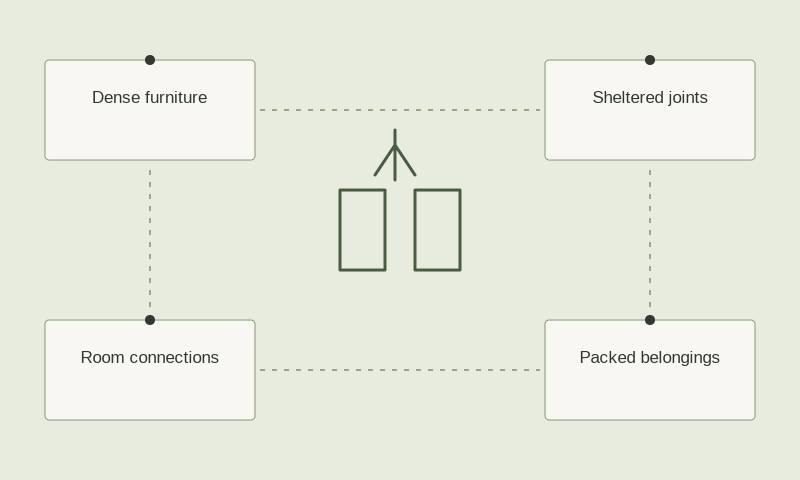
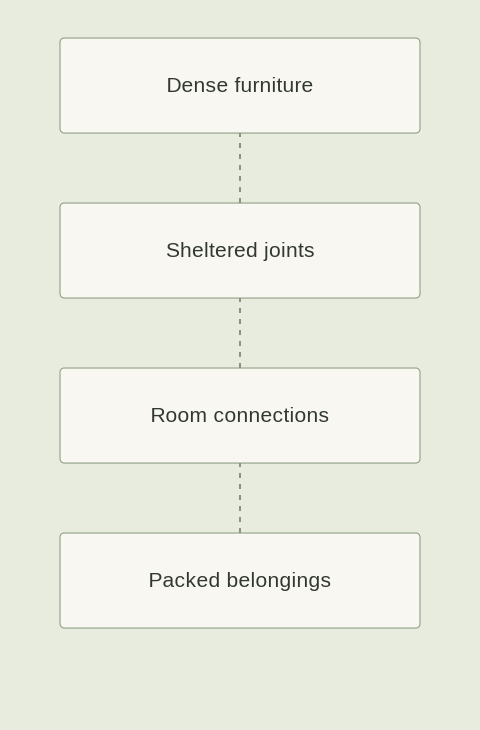
Dense furniture
Consider the mass and internal structure.
Sheltered joints
Plan monitoring around relevant harbourages.
Room connections
Record openings and uninspected spaces.
Packed belongings
Agree arrangements rather than leaving closed piles.
Controlled warming and attention to colder locations
The operator manages the heating process according to the equipment, property assessment and treatment protocol. Room air, dense contents and sheltered harbourages do not necessarily warm at the same rate. Monitoring therefore needs to relate to the locations that matter for the pests, not a reassuring number displayed somewhere convenient. Furniture arrangement and circulation may need operator adjustment as the work progresses.
The treatment conditions and monitoring points are confirmed for the assessed room and its contents. Monitoring checks that the intended conditions are being reached at the relevant locations. The area remains unoccupied while treatment is in progress. If access limitations prevent the intended monitoring or treatment, the operator should explain the limitation and appropriate next steps.
Why local steam and household heating are different
Localised steam can form part of a targeted bed bug treatment where suitable surfaces and direct access allow it. It is not interchangeable with a professionally planned room heat treatment. Likewise, a warm room, ordinary domestic heater or raised thermostat does not demonstrate that hidden insects and eggs have experienced suitable treatment conditions. Do not try to reproduce a specialist treatment with household heaters.
The method comparison should include what can be reached, what needs protection and what happens afterwards. Heat alone does not leave an insecticidal residue. If complementary treatment is proposed, the technician must explain its purpose, suitability and separate restrictions. A combined approach should have a defined reason; it should not be added without discussing the occupants, surfaces and agreed scope.
Comparing the scope of different methods
| Method | How it is applied | Main planning issue | Aftercare focus |
|---|---|---|---|
| Room heat | Specialist equipment and monitored conditions | Cold locations, contents and boundaries | Safe cooling and further evidence |
| Localised steam | Direct treatment of suitable accessible sites | Surface compatibility and direct reach | Check concealed or missed locations |
| Targeted insecticide | Appropriate products at permitted sites | Label restrictions and occupant assessment | Protect residual areas as instructed |
Cooling, handover and safe re-entry
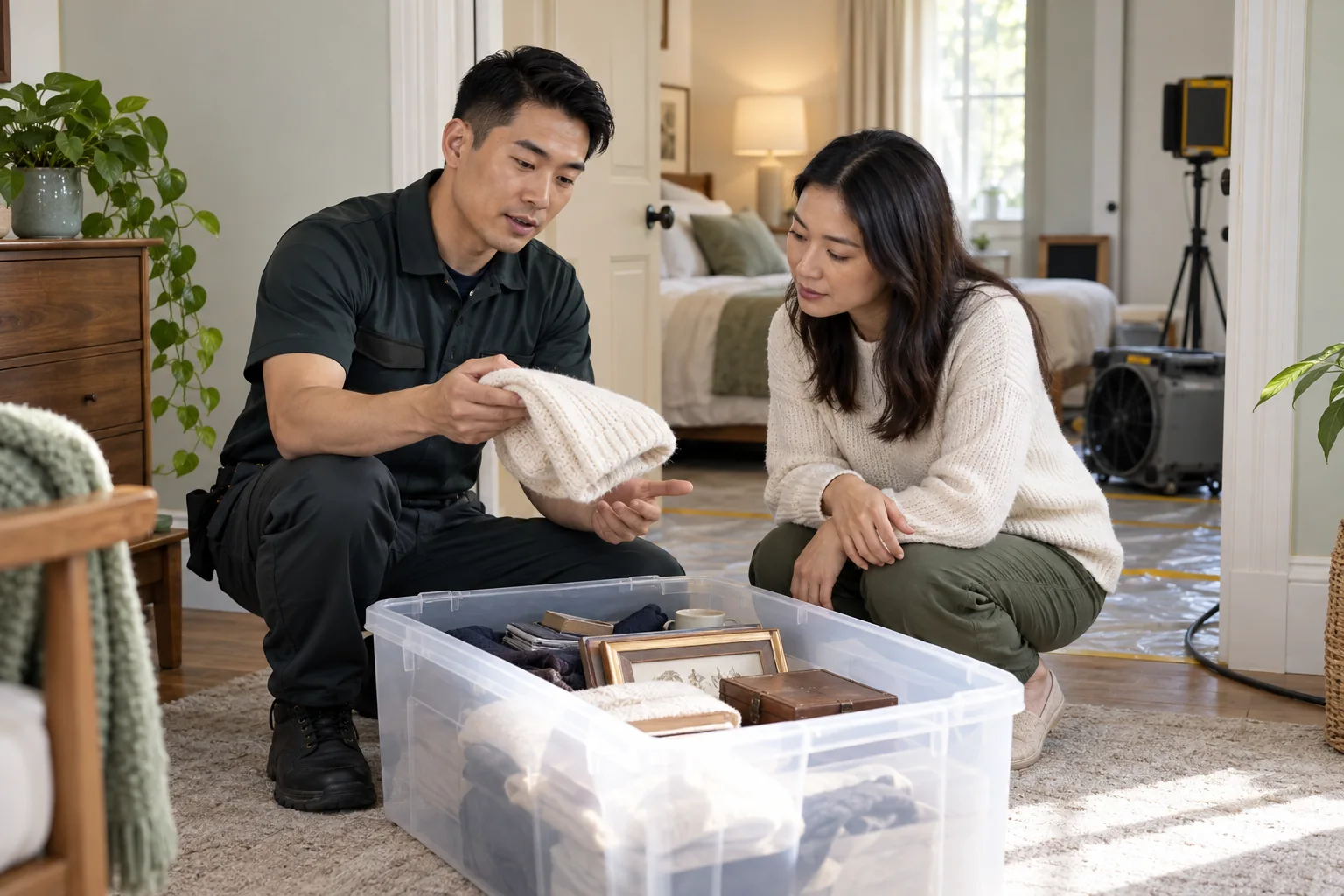
Finishing the heating stage is not permission to enter immediately or handle equipment. The operator controls the shutdown and cooling arrangements and checks the space before handover. People and animals should remain outside the restricted area until the stated return conditions have been met. Do not open the boundary or move possessions early because the room appears comfortable from the doorway.
Ask for an explanation of the treated area, monitoring locations, relevant observations and any limitations. If records or temperature logs form part of the service, agree how these are provided. Instructions should distinguish heat aftercare from any additional insecticide requirements. Check what can be returned to the room, when normal use can resume and which changes would require further advice.
Suitability checks before equipment is booked
| Subject | Assessment | Planning consequence |
|---|---|---|
| Room layout | Dimensions, connections and sheltered areas | Define the proposed treatment boundary |
| Contents | Density, heat-sensitive items and finishes | Agree protection and handling |
| Equipment access | Working space and supply arrangements | Confirm a practicable system and route |
Reviewing the room without declaring instant clearance
Aftercare focuses on fresh physical evidence and preventing untreated belongings from being reintroduced without the agreed handling. Keep notes of sightings, locations and dates. Previously affected items, adjacent rooms and uninspected connections may all matter when assessing further activity. Skin irritation by itself cannot establish whether treatment has succeeded or failed, because it does not reliably identify a live bed bug.
A review may investigate an overlooked harbourage, an item outside the treatment boundary or introduction from another area. Further inspection or a complementary method can be considered if evidence supports it. Further checks are agreed according to the evidence. For another possible biting insect, the flea service explains a different inspection process involving floors and pet resting places.
Planning access, urgency and the quotation
Heat treatment pricing depends on the rooms, contents, access, equipment arrangement and any agreed complementary or review visits. Ask what the survey covers, whether preparation support is included and how changes to the treatment boundary affect the quotation. A comparison with another method should consider the work involved, not just a starting figure. The quotation should explain included work and what would change its scope.
For a pressing concern, explain whether activity involves multiple sleeping areas and whether the property is shared or occupied by people with access needs. Use the emergency enquiry information to prepare for the call; attendance depends on confirmed availability. The inspection diagram helps describe the affected spaces. Contact us to discuss suitability before arranging equipment or moving belongings.
Questions about bed bug heat treatment
Is a heater reading enough to show that a room was treated?
No. A reading next to equipment does not describe conditions in sheltered harbourages or dense belongings. Discuss where monitoring will take place and how the operator will assess the relevant locations within the agreed area.
Can I remove electronics before the survey?
Identify the items for review first. Removing potentially affected belongings without containment can move insects elsewhere. Heat compatibility, safe handling and any alternative treatment need agreement before the items leave the room.
Does heat treatment include every room in my home?
Only the agreed treatment area is included. The survey establishes why those boundaries are appropriate and records uninspected connections. Additional rooms or contents can change the equipment plan, access requirements and quotation.
Can I stay in an adjacent room while equipment is operating?
Do not assume this is acceptable. Exclusion arrangements depend on the building and system used. Discuss every occupant and pet before booking and follow the operator’s instructions about restricted and shared spaces.
Should I open the windows as soon as heating stops?
Leave cooling and access decisions to the operator. Opening the area prematurely can interfere with the planned process or expose someone to hot equipment. Wait for the handover and the stated return conditions.
What if I find a live insect after returning belongings?
Record where and when it was found and photograph it if this can be done safely. Contact the specialist with the treatment record and recent item movements so the review can distinguish possible remaining activity from a new introduction.