Moving home is demanding even without a possible bed bug problem. If you suspect activity in the current property, the risk is that untreated belongings travel with you. The answer is not to discard everything or delay the move indefinitely. Start with reliable identification, keep items contained and make a room-by-room handling plan with a competent provider. This guide explains how to reduce transfer risk while protecting important possessions.
Find out what is actually present
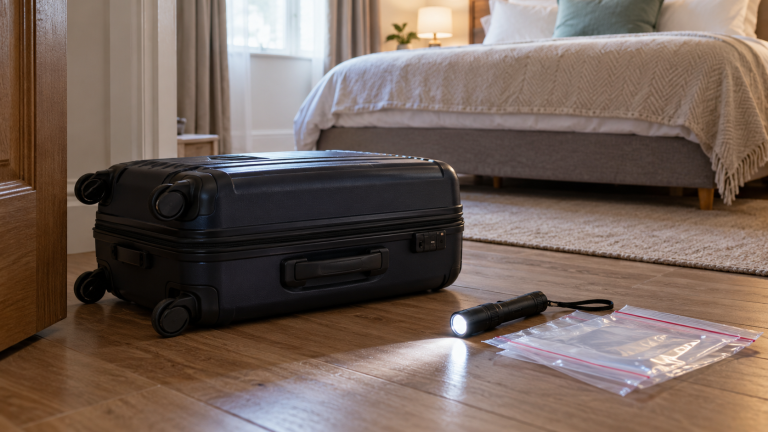
Bites alone cannot confirm bed bugs. Ask for assessment of a live insect, mattress seam marks, cast skins or other room evidence. Keep a specimen in a sealed container if possible and photograph the place it was found. A bed bug treatment assessment can distinguish a confirmed case from a concern that needs monitoring. That result determines how much preparation the move requires.
If the move date is close, tell the provider immediately. Give the date, which rooms are affected and which belongings must travel. Do not wait until the removal van arrives to ask how to handle a bed or suitcase. A short written plan can prevent people packing suspect and cleared items together.
Separate items by status
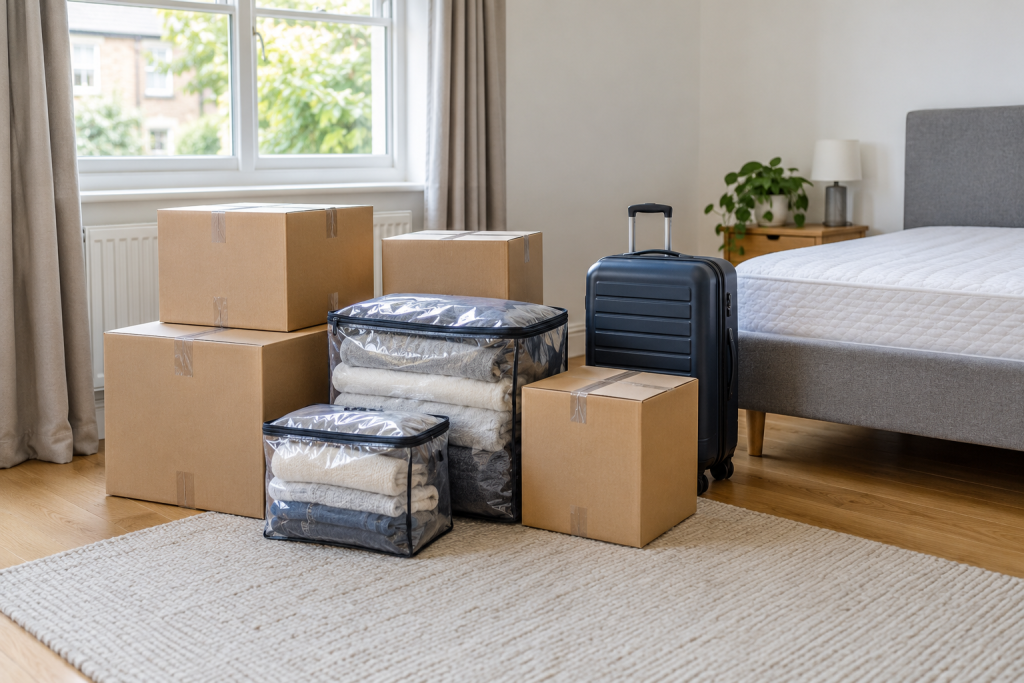
Use a simple inventory: items from confirmed or suspected areas, items processed according to the provider’s instructions, and items not yet assessed. Mark containers clearly without exposing private health details to movers. Keep processed items sealed and separate from unprocessed belongings. Do not place a clean bag on a suspect mattress while packing. The categories are practical handling notes, not a claim that an unprocessed item definitely contains insects.
Photograph large furniture and note its original room. The provider may advise treatment, inspection, containment or disposal depending on the item and evidence. Avoid moving a suspect bed frame to the new property unprotected. If an item must go into temporary storage, ask what packaging and later assessment are appropriate.

Handle clothing and bedding methodically
Bag washable fabrics in the room where they were used before carrying them to laundry. Follow the provider’s guidance and fabric care labels for washing or drying. Place processed items into clean, sealed bags or containers, and do not reopen them in the untreated room. A shared laundry facility may require scheduling and careful transport. Do not shake bedding or carry it loose through hallways.
Delicate fabrics may not tolerate heat. Ask for a separate plan rather than using an unsuitable cycle. A brief warm wash should not be assumed to treat bed bugs. Keep a record of what was processed, when and how. This prevents a later mix-up when dozens of similar bags are loaded into a vehicle.
Inspect furniture before loading
Bed frames, headboards, bedside tables and upholstered furniture have seams and joints that deserve particular attention. A professional may need to inspect or treat them before they move. Do not dismantle a heavy bed and scatter the parts around the home. Keep each component contained in the same room until the handling plan is clear. Photograph any mark or insect found in a joint.
Do not leave a suspect mattress in a communal area or put it at the kerb without a disposal plan. Another person might take it, and moving it uncovered can spread insects. If disposal is advised, follow local rules and the provider’s containment instructions. Many items can be retained after appropriate treatment, so disposal is not automatically necessary.
Electronics, books and other difficult items
Some possessions cannot be laundered. Electronics, books, artwork and keepsakes may need inspection, containment, separate treatment or a monitored isolation plan. Do not put electronics in a domestic oven, microwave or freezer as an improvised treatment. Heat-sensitive items require a method that respects their materials. The bed bug heat treatment option may be part of a professional plan, but its suitability for each object must be checked.
Pack such items in sealed containers and label their source room. Ask the provider when they can be opened at the new address. Avoid storing an unassessed box under the new bed. If a valuable object needs specialist care, plan that early so it does not become a last-minute exception.
Tell the right people
If you rent, inform the current landlord or managing agent of confirmed activity and the move date. They may need to arrange treatment or follow-up in the property. If you are moving into shared accommodation, discuss a practical containment plan with the responsible person. Be factual about what has been confirmed and what remains uncertain. Avoid blaming a previous home, hotel or neighbour without evidence.
Movers should receive any handling instructions relevant to safe packing and loading, without unnecessary personal details. They need to know which containers must stay closed and whether furniture is ready to move. A written room list helps avoid mixing processed and unprocessed items in the vehicle.
Set up the new home carefully
Choose a staging area for sealed containers and unload them according to the plan. Keep any unassessed items closed until they can be inspected or treated. Do not place a suspect bed directly into a bedroom and then unpack clean clothes around it. If the provider recommends monitoring, install devices where instructed and record the date. A quiet first night does not by itself establish that no insect travelled.
Keep a simple log of any live insect or characteristic sign in the new property, with a photograph and exact location. Skin reactions can persist or have another cause, so they are not a reliable transfer test. If you find a suspect insect, retain it for identification and contact the provider promptly.
If the move cannot wait for treatment
Tell the professional the constraint and ask for the safest achievable sequence. Priority may go to confirmed rooms, essential belongings and secure containment of the rest. Do not substitute a household spray for a proper plan. Clearly labelled sealed containers can help prevent accidental opening, but they do not make an item treated. Arrange follow-up at the new address if advised.
Keep dates, receipts and treatment records together. The new provider, if different, will need to know what was confirmed, what was treated and what remains sealed. An accurate handover is more valuable than an assertion that everything was “cleared” without evidence.
Plan for the removal day
Set aside a clearly marked group of essential items that have been handled according to the agreed plan: medicines, documents, a change of clothing and basic bedding. Keep them closed until needed. Give the moving team a simple loading order so sealed, processed belongings are not placed against an unassessed mattress or upholstered chair. Check that bags remain intact while carrying them through shared corridors. If a container tears, stop and recontain it rather than hiding the problem. A few minutes of organised loading can prevent confusion that is difficult to reconstruct after arrival.
Reduce risk through planning
The key steps are identification, a room-by-room inventory, suitable processing of fabrics, professional advice on furniture and sensitive items, and separation of processed and unprocessed belongings. No one step guarantees that an insect cannot travel, but a coherent plan is far better than hurried packing. The move should remain manageable for the people involved.
For a move from or to Harrow, send the confirmed evidence, move date and major belongings requiring advice through the contact page. A provider can then help you plan inspection, treatment and follow-up around the actual timetable.