After bed bugs are confirmed, the next question is often whether heat treatment is the right choice. There is no single method that fits every room, building and collection of belongings. Heat, approved insecticide programmes and other professional measures each have practical requirements. A good decision starts with the evidence, the property’s layout, sensitive items and a clear follow-up plan.
Confirm the diagnosis first
A live bed bug or well-assessed characteristic evidence should support treatment. Bites alone cannot identify the pest, and treating the wrong insect wastes time and exposes the room to unnecessary disruption. Ask the provider what was found, where it was found and which rooms were inspected. A bed bug treatment assessment should explain the proposed method in relation to those findings.
If the evidence is uncertain, monitoring or a further inspection may be more appropriate than immediately treating an entire property. A retained specimen or clear photograph can help. In a shared building, ask whether adjacent rooms or units need checking before choosing a treatment scope. An isolated bedroom plan may be insufficient if confirmed activity crosses boundaries.
How professional heat treatment works
Professional heat treatment uses controlled equipment to raise temperatures in the treatment area and monitor whether heat reaches target locations. The precise temperatures, duration and set-up depend on the provider’s protocol and property. Heat must penetrate the places where insects shelter. A warm room thermostat reading alone does not establish that a dense item, wall joint or covered area has reached the intended condition.
Ask how temperatures will be measured, what furniture must be moved and how heat-sensitive belongings will be protected. The bed bug heat treatment service can discuss whether the property is suitable. Do not attempt to replicate professional treatment with domestic heaters or a hairdryer; uneven heat may leave insects alive and create a fire risk.

What other professional approaches may involve
A trained provider may recommend an approved insecticide programme, physical measures, monitoring or a combination. Product choice, placement and repeat visits depend on the situation and label requirements. A residual treatment may be used where suitable, but it does not replace preparation and follow-up. Ask which surfaces will be treated, when the room can be re-entered and what cleaning or vacuuming should be avoided afterwards.
Some belongings may need laundering, isolation or separate treatment regardless of the main room method. A mattress encasement or monitor may be part of a plan but is not a standalone guarantee. Avoid buying and applying several household products while a professional programme is underway; this can interfere with the plan and create unnecessary exposure.
Compare practical constraints
Heat can be attractive when a room and its contents are suitable, but sensitive electronics, adhesives, wax, medicines, aerosols and other items may require special handling. A provider should give a detailed preparation list. Other methods may allow some items to remain in place but may require repeat visits and careful avoidance of treated surfaces. The right comparison is the full programme: preparation, access, treatment, monitoring and follow-up.
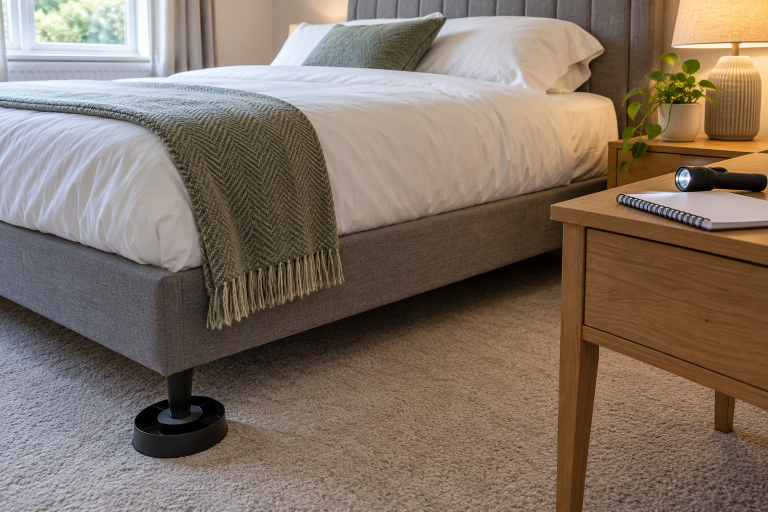
Ask how much of the property is included. Bed bugs may be found beyond the bed frame, including bedside furniture and nearby cracks. Treating only the mattress while leaving confirmed harbourages elsewhere is unlikely to be a coherent plan. Equally, an entire-building intervention needs evidence and coordination. The scope should be explained room by room.
Also ask what happens to inaccessible spaces, such as a fixed headboard, an unusually deep divan base or a packed storage cupboard. The provider may need preparation, a different method or additional monitoring for those places. A method comparison that ignores access is incomplete. If a furniture item cannot be moved safely, say so before treatment day so the plan can be adjusted without an improvised decision under time pressure.
Questions to ask a provider
Ask for the identification, treatment method, areas included, preparation steps and expected number of visits in writing. Ask how sensitive belongings are handled, whether you need to leave the property and when it is safe to return. Clarify what follow-up evidence will be used to judge progress, and whom to contact if you find a live insect afterwards. If you have children, pets or health concerns, raise them before treatment is scheduled.
Ask whether the price includes follow-up and what conditions apply. A low initial price may be less useful than a clear programme that addresses all confirmed areas. No provider can responsibly promise that one method will work in every building regardless of access, preparation or continued movement of belongings. Focus on a specific, reviewable plan.
Preparation can affect either method
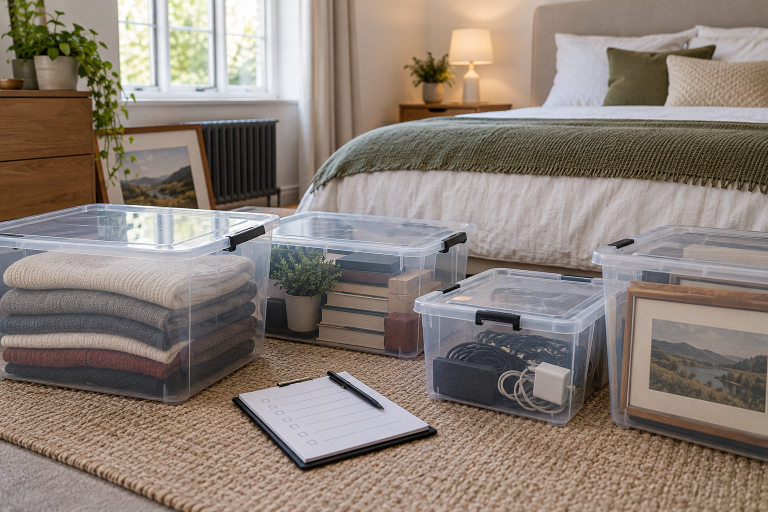
The provider may need access to bed frames, skirting, bedside furniture and other harbourages. Keep suspect belongings contained rather than spreading them to clean rooms. Bag laundry in the affected room before carrying it to the machine. Follow fabric care labels and the provider’s instructions. Do not discard a mattress or dismantle a room unless advised; doing so can spread insects and remove evidence.
For heat treatment, a preparation list may be especially detailed because of objects that cannot tolerate elevated temperature. For insecticide treatment, access and adherence to product instructions are crucial. Tell the provider about any prior sprays or powders so they can account for them. The best method can fail if important areas remain inaccessible.
Shared buildings may require coordination
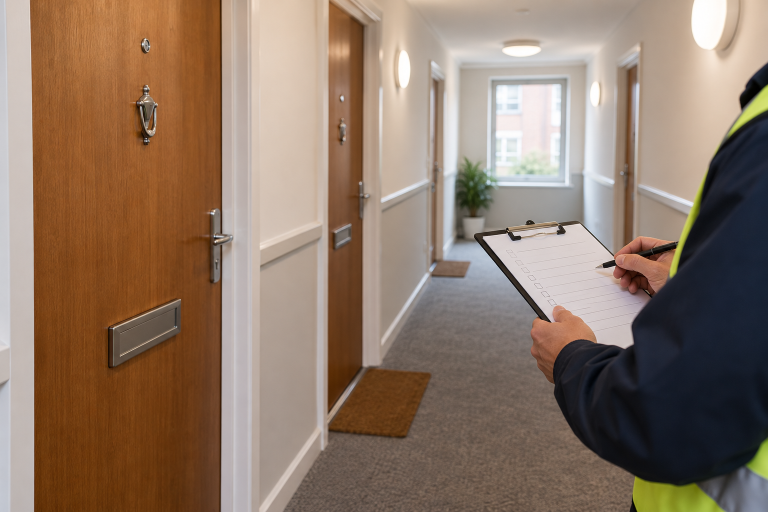
In a block of flats or shared house, confirmed activity may require discussion with a landlord or managing agent. The scope and timing of inspections should be coordinated so untreated rooms or moved belongings do not undermine the plan. Share facts, not blame. A provider can advise whether adjacent spaces need inspection; this should follow evidence, not assumption.
Access permissions and privacy matter. Arrange keys and appointment windows in advance, and make sure residents receive the same preparation instructions. If a room cannot be accessed, ask how that affects treatment confidence and follow-up. An honest limitation is preferable to an assurance that ignores an unchecked area.
How to judge progress
After treatment, follow the provider’s monitoring plan. Keep dated notes of live insects, cast skins and new spotting, and retain any specimen. Skin reactions can persist or appear later, so bites alone are not a reliable measure of treatment success. Ask when the first review should occur and what evidence would trigger another visit. Do not reapply products independently between visits unless instructed.
A successful programme usually combines correct identification, complete access to relevant harbourages, appropriate treatment and follow-up evidence. The details vary by method. If signs continue, report exactly what was found and where, rather than assuming the method itself was wrong. The provider may need to inspect an overlooked area or a movement route.
Choose a plan you can follow
The best choice is one that fits the confirmed problem, building and household, with instructions you can carry out safely. Ask for an explanation of trade-offs in plain language. If you are considering heat, show the provider a list of sensitive belongings and ask how they will be managed. If another method is proposed, ask about visit frequency, re-entry and monitoring.
For a Harrow home, send the evidence and property details through the contact page. A professional assessment can then turn a general comparison into a treatment plan for the actual rooms involved.