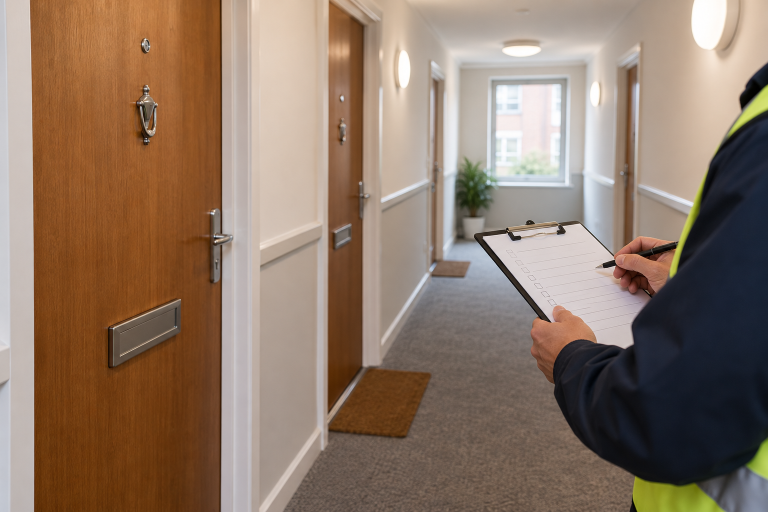
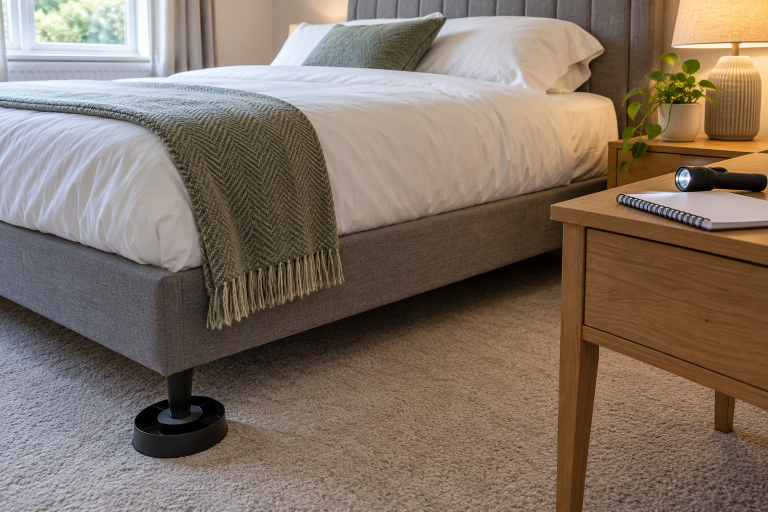
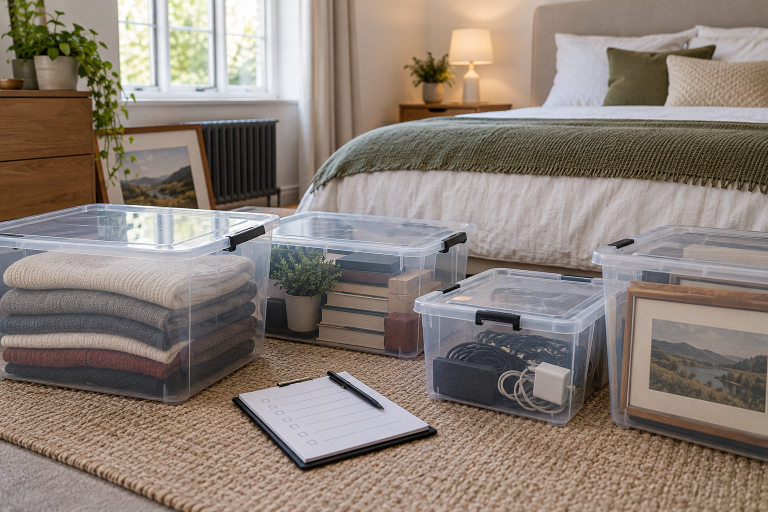
A professional bed bug inspection works best when the room is accessible and the original evidence remains in context. People often feel they should strip the bed, empty every drawer and throw away belongings before a visit. That can make identification harder and may spread suspect insects. Preparation is simpler: record what you found, make safe access possible and follow the inspector’s specific instructions.
Confirm the appointment requirements
Ask which rooms will be inspected, whether the bed frame needs access on all sides and whether pets or children should be kept elsewhere during the visit. Tell the provider about mobility needs, heavy furniture, shared accommodation and any products already used. Different inspections and treatments require different preparation. Do not assume a heat-treatment checklist applies to an initial identification visit.
Keep the suspected insect or photographs ready. Note the first date of concern and the exact location of any dark spots, shed skins or live insects. If there were only bites, say so plainly. The bed bug treatment service can use that history to focus the inspection without treating symptoms as proof.
Preserve the evidence
Photograph marks before cleaning them. Use one overview image and a close-up with scale. If you caught an insect, keep it in a sealed clear container and label where it was found. Do not crush it or soak it in a cleaning product. A specimen can distinguish a bed bug from a carpet beetle, flea or other small insect. Clear identification may change the whole plan.
Leave furniture in place unless the provider asks otherwise. The location of a mark on a headboard or frame joint can reveal a hiding place. A pile of items moved into a hallway loses that context and may expose other rooms. If something must be moved for safety, bag it where it is and tell the inspector where it went.
Make the bed area accessible
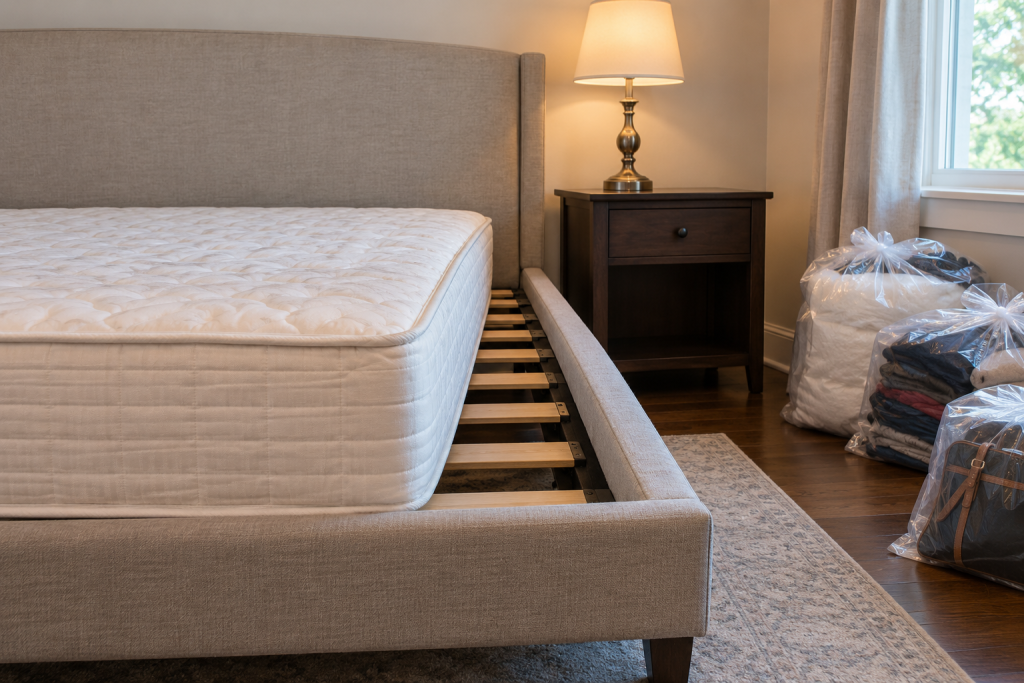
Remove ordinary floor obstacles that prevent a person reaching the bed, but do not sweep suspect material or shake textiles. Keep a clear path to the mattress, frame and headboard. If a bedside table is crowded, group small items in a container in the same room. Avoid transferring them loose to another bedroom. The inspector may need to check nearby furniture, skirting and luggage as well as the mattress.
Do not dismantle a heavy bed frame unless instructed. An assessor can decide which joints need closer access. If a frame has electrical components, do not open them yourself. Mention any fragile fittings or furniture that requires two people to move. Safe access is part of a good inspection, not a reason to damage the room beforehand.
What to do with bedding and laundry
Ask whether bedding should remain on the bed for the initial visit. If laundering is requested, bag washable items in the bedroom and carry them closed to the washing machine. Follow care labels and the provider’s instructions for suitable temperature and drying. Keep processed items separate from unprocessed belongings. Do not place clean laundry back on a suspect bed before the plan is clear.
Some fabrics cannot tolerate high heat. Do not put delicate or heat-sensitive items into an unsuitable cycle just to feel prepared. List those items for the inspector. The plan may involve containment, specialist treatment or another approach. A rushed wash that damages belongings and leaves the main harbourage untouched offers little benefit.
Tell the inspector about prior actions
List any sprays, powders, steamers, encasements or heat devices used, with dates if known. A product can affect where insects hide or create a residue that influences later work. Do not apply more product just before the visit. If a chemical was used in a way that concerns you, keep its packaging and seek appropriate advice. The professional needs accurate information rather than a perfectly tidy room.
Describe any mattress or furniture that was discarded or moved, and where it went. This can help explain why evidence appears in a new place. If you have been sleeping in another room, mention when that changed. Avoid embarrassment; these are practical facts for inspection.
Shared homes and flats
If you rent or share accommodation, tell the landlord or managing agent when a bed bug assessment is being arranged. Access to an adjacent room or unit may be relevant if activity is confirmed. Do not enter another person’s room to inspect without permission. Share factual observations rather than assigning blame. A coordinated plan is particularly important where belongings, laundry facilities and visitors cross room boundaries.
For a bed in a shared room, identify which sleeping place and furniture belong to whom. Keep suspect items contained and agree who will receive the professional instructions. One resident laundering everything while another moves untreated luggage can undermine a careful plan. Written preparation steps help everyone act consistently.
What an inspection may involve
The assessor may check seams, frame joints, headboard fixings, bedside furniture and nearby cracks. They may inspect a suspect specimen and ask about the timing of signs. Some areas may remain inaccessible without furniture movement or additional access. Ask which findings are confirmed and which are uncertain. A good report should distinguish a live bed bug from a stain that merely looks suspicious.
If a different insect is identified, the next steps change. A jumping insect may lead to a flea assessment, while bristly larvae on fabrics could indicate carpet beetles. Do not commit to bed bug treatment solely because the appointment was booked for that concern.
Ask the assessor to show you the relevant finding where safe and practical. A photograph of a live insect or a well-defined harbourage can make the explanation easier to understand. If the result is uncertain, ask what additional evidence would settle it and how to collect that evidence without disrupting the room. An honest inconclusive result is more useful than a confident label that later proves wrong. Keep the inspection notes for any follow-up visit so the same locations can be compared.
If treatment is recommended
Ask which method fits the property and evidence, how belongings should be handled, whether more than one visit is expected and how follow-up will be checked. Professional bed bug heat treatment has different preparation needs from other methods, especially for heat-sensitive objects. The provider should explain what to remove, protect or leave in place.
Do not treat the room independently between professional visits unless told to do so. An unplanned spray or move can affect monitoring. Keep the treatment instructions, dates and any new evidence in one place. If symptoms persist without environmental evidence, seek medical advice for the skin concern while the pest assessment continues separately.
A short preparation checklist
Have dated photographs, any specimen and a brief timeline ready. Keep the bed and suspect items in their current room, clear a safe path, identify fragile or powered furniture and tell the provider what products have already been used. Follow specific laundering instructions only after they are provided. This allows the inspector to see the room as it is and make a proportionate plan.
For a Harrow bedroom, send the available evidence and room details through the contact page. A well-prepared visit should answer whether bed bugs are present and what, if anything, needs treatment.