A scratching sound above a bedroom can make a loft feel occupied, but sound does not identify an animal on its own. Mice, rats, squirrels and birds can all use roof spaces, and pipes or building materials can carry noises from elsewhere. The useful first step is to record what you hear and examine only the parts of the space you can access safely. This guide explains how to interpret timing, movement and visible evidence without turning a guess into a diagnosis.
Start with the pattern, not the volume
A heavy thump may suggest a larger animal, yet roof boards can amplify a small movement. Equally, a rat moving within insulation can sound faint. Write down the time, location and type of noise over several days. Note whether it is a brief scurry, repeated scratching in one spot, a rolling noise or a series of heavier movements. Include weather conditions if the noise appears after wind or rain. A simple record is much more useful during an inspection than an attempt to imitate the sound.
Many rodent species are most active after dark, while squirrels are generally active in daylight. That distinction can help direct an inspection, but it is not a rule that proves the species. Light levels in a loft, disturbance and the position of a nest can all change when activity is audible. Birds may also make early morning noise, especially near eaves. If you hear a noise only when heating starts, consider whether a pipe expands or a pump operates before assuming that an animal is present.
Look for evidence along routes
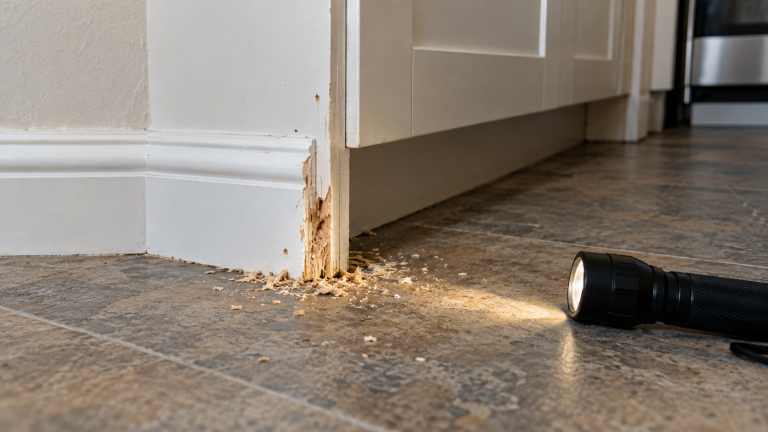
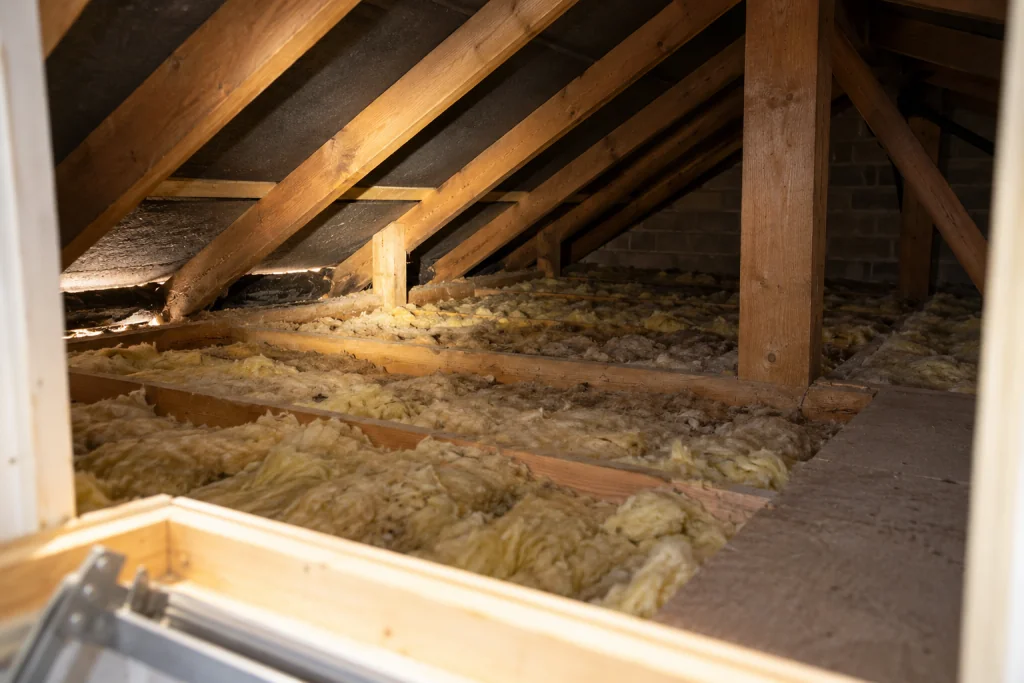
If you have a safe boarded access point, use a torch to look from there. Photograph what you can see without stepping between joists or disturbing insulation. Droppings, gnawing, displaced insulation, greasy rub marks and openings at the eaves may help identify a route. A small animal can use a gap larger than expected, but an opening does not prove that it is currently occupied. Look for several signs in the same area. An old-looking hole with no fresh material is different from an opening beside recent droppings and disturbed dust.
Loose electrical cables deserve particular care. Rodents may gnaw cable coverings, and exposed wiring is an electrical hazard. Do not touch suspect cables, remove insulation around them or try to test a damaged circuit yourself. If you see damaged wiring, arrange assessment by a qualified electrician and explain the possible animal activity. A rodent control inspection can then address the route and animal evidence without relying on noise alone.
What may point towards mice?
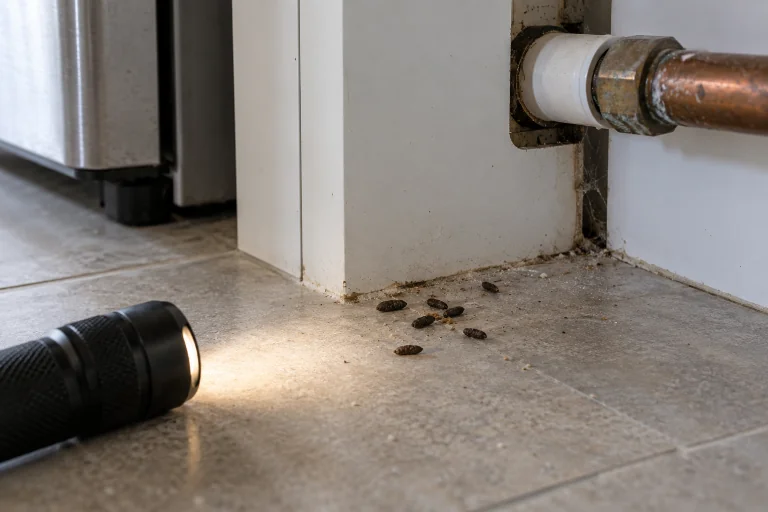
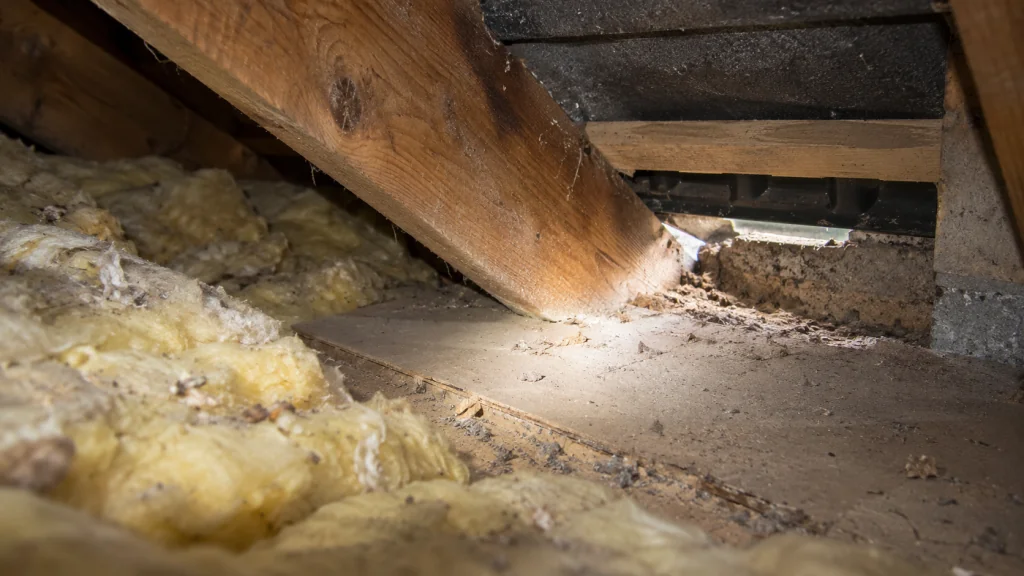
Mouse evidence often appears in narrow routes beside timbers or stored items. Small, dark droppings, fine gnaw marks and activity in more than one concealed corner can support a mouse assessment. The age of a dropping is difficult to judge from colour alone, so photograph its location and avoid handling it. A single pellet could have been carried in with stored material or be something else entirely. The stronger case is a combination of signs found along a plausible route, especially if the sound repeats.
Mice can move through wall voids and service routes into a roof space, so an apparent loft problem may begin lower in the building. Ask whether anyone has noticed marks around kitchen pipework, a utility room or a cupboard. Do not seal a visible opening while you suspect an animal is inside; trapping it in a void can create a separate problem. The mice control service can assess activity and advise on the sequence of control and proofing.
What may point towards rats?
Rat evidence may include larger droppings, more substantial gnawing, noticeable runways and openings associated with drains, outbuildings or exterior routes. None of these features is conclusive in isolation. A rat may travel a considerable distance from a food source to a sheltered roof space. Conversely, a large noise in the loft could come from a squirrel or from a structural component. Avoid using dropping size alone to decide between species, particularly when there is no scale in a photograph.
Check the outside of the property from ground level. Are there climbing routes such as vegetation against walls or access around a service penetration? Is there an open bin, spilled bird food or a recurring drain issue nearby? Record observations without moving a ladder or climbing onto a roof. If the pattern suggests rat activity, a rat control assessment can examine the property and recommend the appropriate next steps.
Do not overlook squirrels and birds
Grey squirrels are capable climbers and can enter through damaged roof edges. Daytime running, larger movements and visible nesting material near the eaves may make them a possibility. A squirrel can also gnaw building materials, so the sound alone is still insufficient. Wildlife rules matter: do not catch and release a grey squirrel elsewhere, and do not disturb a nest or block an entrance without professional advice. The squirrel control service can help assess the species and a lawful response.
Birds can enter roof spaces or nest close to them. Feathers, nesting material and calls may be relevant, but do not remove an active nest based on a guess. Some species and nests have legal protection. If the evidence is unclear, seek a competent assessment before any intervention. This is especially important if bats might be present: bats and their roosts are protected, and work that disturbs them can be unlawful. A pest professional should recognise when another specialist is required.
How to inspect without creating a hazard
Lofts commonly contain unboarded areas, fragile ceilings, dust, insulation fibres and electrical services. Use the fixed access point and existing boarding only. If the hatch is hard to reach or the route is not clearly safe, leave the inspection to someone equipped for it. Do not lift insulation simply to look for droppings, because this can release dust and hide a fall hazard. Avoid placing a torch where it could heat material, and do not use an open flame.
If you find suspect droppings, do not sweep or vacuum them dry. Restrict access, photograph the area and follow suitable hygiene advice before cleaning. Keep children and pets away from any material or control products. Store possessions in closed containers if they are already clean, but avoid moving potentially contaminated belongings through living rooms until you know what needs cleaning. A professional can explain what evidence to preserve and what can be cleared safely.
Questions that make an assessment more useful
When contacting a pest controller, give the time of day, frequency and approximate position of the noise. Say whether you have seen droppings, a live animal, gnawing or an entry point. Mention any recent roof work, drain problem or neighbouring report. Provide clear photographs taken from a safe position, with a common object for scale where practical. If you rent, tell the landlord or managing agent promptly so the building fabric and access arrangements can be considered.
Ask how the species will be identified, whether other parts of the building need inspection, and when proofing should occur. The response may differ for mice, rats, squirrels and protected wildlife. You should also understand how any treatment is monitored and when the issue can be considered resolved. A sound that stops for one night is reassuring, but it does not establish that an entry route is closed.
When to act promptly
Arrange a timely assessment if you see a live animal, repeated evidence, damage near cables or a fresh opening that appears to be used. If a ceiling is damaged, water is entering or wiring looks unsafe, address the building or electrical hazard as well. Do not wait for a perfect photograph of the animal before seeking help. The goal is to establish what is present and prevent avoidable damage, not to name a species from a recording.
A loft can make small movements sound dramatic, and an occasional creak can sound like footsteps. Careful observation narrows the possibilities. For a Harrow property, share your notes and photographs through the contact page so the right inspection can be arranged.