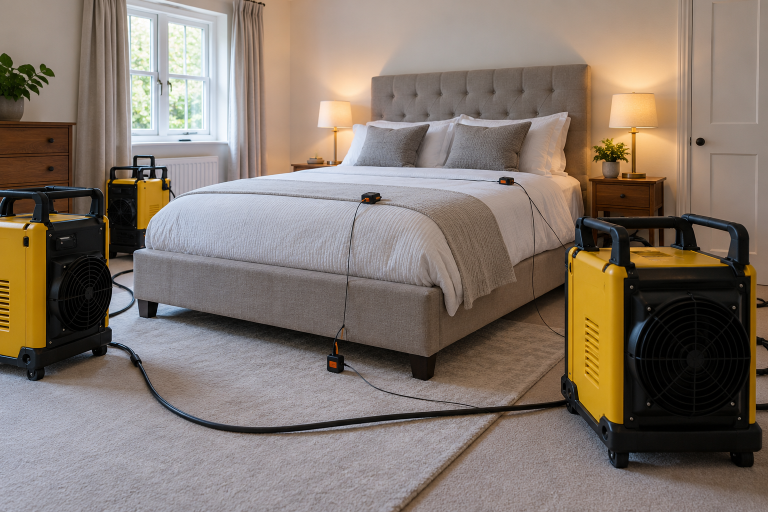
Professional bed bug heat treatment can involve elevated temperatures throughout a prepared room. That makes belongings an important part of planning. Some items may be damaged by heat, while removing suspect objects without a containment plan can carry insects elsewhere. The right preparation is specific to the treatment provider’s equipment and the property. This guide helps you make an inventory and ask the right questions before treatment day.
Get the provider’s instructions first
Do not use a general internet checklist as the final preparation plan. Ask the provider for a written list of items to remove, protect, open or leave in place. Confirm which rooms are included, how temperature will be monitored and when you can return. The bed bug heat treatment service can explain its own preparation requirements. If a direction is unclear, resolve it before treatment day.
Show the provider photographs of unusual belongings or built-in furniture. Tell them about sensitive medical devices, medicines, aquariums, pets and stored chemicals. Do not assume an item is safe just because it survived a warm summer day; professional treatment conditions are different and depend on duration and placement.
Make a room-by-room inventory
Walk through the treatment area and list electronics, batteries, aerosols, candles, wax, musical instruments, artwork, adhesives, cosmetics, medicines and delicate fabrics. Include objects inside drawers and storage beds. The list is a conversation starter, not proof that all such items must be removed. Product instructions and manufacturer limits differ. Ask how each category should be handled and where a removed item can be kept without spreading insects.
Photograph the position of items before moving them. This helps the provider understand where clutter or dense storage might impede heat penetration. Do not empty a suspect cupboard into an untreated bedroom. If removal is required, bag or contain the object in the treatment room and follow the provider’s transfer instructions.
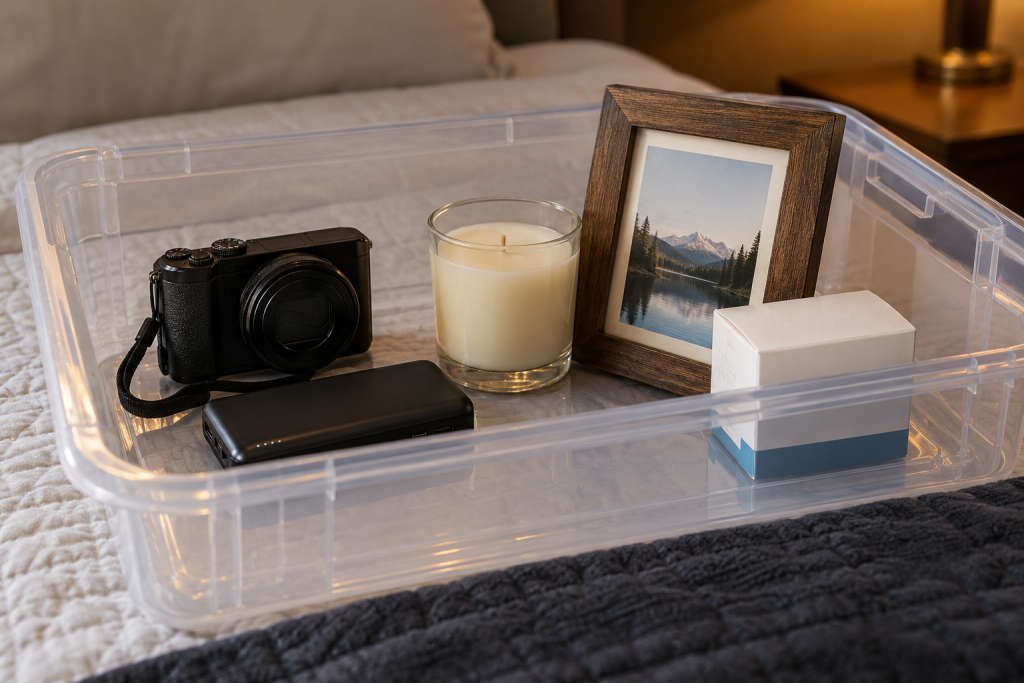
Electronics and batteries
Electronic devices have different heat tolerances. Laptops, cameras, batteries, chargers and storage media may need special handling. Do not rely on a broad claim that all electronics can stay or must go. Check the manufacturer’s guidance where available and ask the treatment provider about its process. Back up important data in the ordinary safe way before treatment if this is practical, without carrying an uninspected device around the home unnecessarily.
If an item must leave the room, contain it and identify a safe holding place. A device can have seams and vents where insects might hide, so moving it untreated to a clean room may defeat the purpose of preparation. The professional may advise separate inspection, treatment or isolation. Do not use domestic ovens, microwaves or freezers to treat electronics.
Medicines, medical devices and personal care products
Medicines often have storage limits that should be respected. Keep essential medication accessible and follow its packaging or pharmacist’s advice. Tell the provider about any medical device that cannot be exposed to heat or removed for long. Aerosols, pressurised products and some personal care items can be unsafe or damaged in hot conditions. The provider should identify what must be removed and how to contain it.
Do not leave medicines in a heated room because a general checklist failed to mention them. Equally, do not place a possibly exposed bedside item in another person’s bedroom without inspection or containment. Plan the route and storage before treatment begins. Health needs take priority, and the provider should adapt the preparation accordingly.
Art, photographs and delicate materials
Wax, certain adhesives, plastics, vinyl records, photographs, framed art and musical instruments may be heat sensitive. Age and construction matter. Ask a conservator or manufacturer about valuable or irreplaceable pieces if necessary. Tell the pest provider about the item and where it has been kept. A valuable object may need separate handling that preserves it while still addressing possible insect transfer.
Do not wrap a dense object in insulating material simply to protect it; that may stop treatment heat reaching any insects inside. The provider needs to decide whether it should be removed, opened, treated separately or monitored. Record the agreed choice. If there is uncertainty, plan before treatment day rather than improvising while equipment is running.
Clothing, bedding and stored fabrics
Washable fabrics may be processed according to care labels and the provider’s instructions. Bag suspect items in the affected room before carrying them to a washing machine. Keep processed items separate from unprocessed items. Delicate fabrics may not tolerate a hot wash or tumble drying; ask what alternative is suitable. Do not assume that a brief warm cycle is effective because it feels hot to the touch.
Closets and storage beds can contain dense piles that interfere with a treatment plan. The provider may ask you to loosen, arrange or remove items in a specific way. Follow that instruction rather than emptying the wardrobe into another room. Preparation should help heat reach intended areas without spreading possible bed bugs.
Pets, plants and living things
People and pets must follow the provider’s re-entry instructions. Fish tanks, reptiles, plants and other living things may need moving or special arrangements before treatment. Tell the provider what is present well in advance. A tank may be heavy and connected to electrical equipment; moving it needs planning. Do not leave an animal in a room because it is inside a closed enclosure.
Arrange safe temporary care and confirm when the space is ready for return. If the treatment area includes a shared hallway or adjacent room, coordinate access with the responsible person. The provider can explain how long the area will be unavailable and what ventilation or checks are required afterwards.
Keep containment in the plan
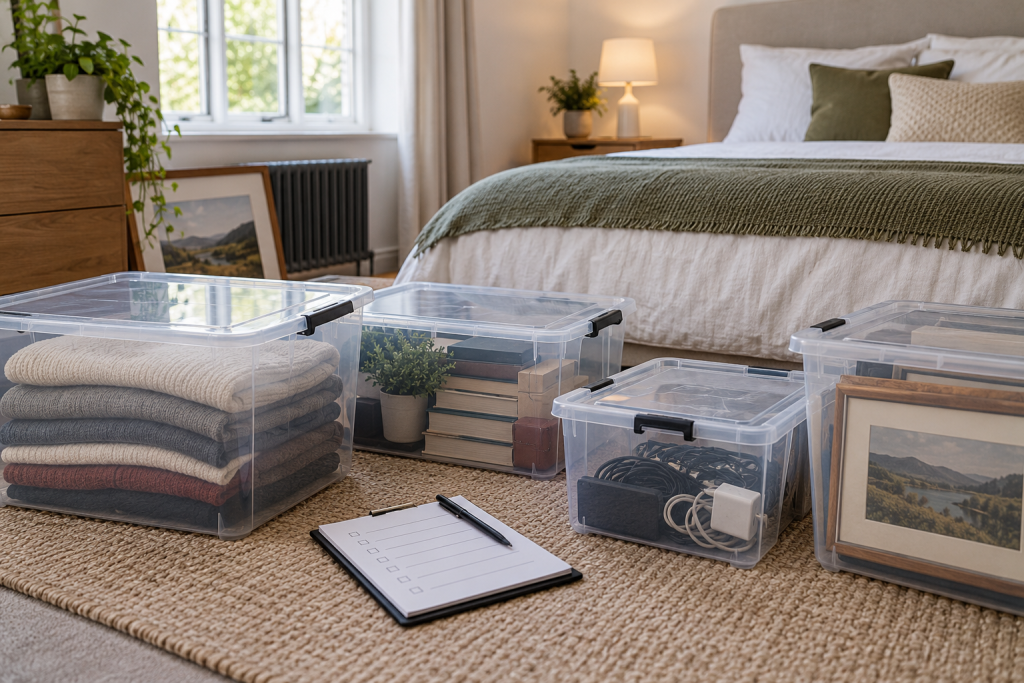
The central tension is that a heat-sensitive item may need removal while bed bugs, if present, can travel with it. Agree a containment method for each item: sealed bag, rigid container, separate assessment or another provider-approved method. Label the item and where it came from. Do not open it in a clean area until you know it has been cleared or treated appropriately.
A professional bed bug treatment plan should cover the room and its contents together. If a provider cannot explain what to do with a common sensitive item, ask for clarification before proceeding. Clear handling instructions protect both the belongings and the treatment outcome.
After treatment
Wait for the provider’s clearance before re-entering and moving items back. Follow any ventilation, cleaning and monitoring instructions. Do not immediately return an untreated, uninspected object from storage to the bed area. Keep a record of what was removed, where it was held and how it was cleared. This is especially useful if several household members are handling different belongings.
Monitor for live insects and characteristic signs according to the follow-up plan. Skin reactions alone cannot establish treatment success or failure. If a suspect insect appears, photograph or retain it and report the exact location. Ask whether the item-handling plan needs review.
Plan before the appointment
Make the inventory, read the provider’s instructions, identify essential items and agree safe containment for anything that leaves the room. This preparation is more useful than guessing a universal temperature limit for every possession. For a Harrow property, send the room details and sensitive-item questions through the contact page before treatment is scheduled.