Finishing a bed bug treatment does not end the need for observation. Follow-up checks help establish whether live activity remains and whether another visit is needed. The most useful record is simple, dated and tied to specific locations. It should distinguish a live insect from a skin reaction or an old mark. This guide explains what to watch, how to report it and why a quiet night is encouraging but not a final verdict.
Follow the provider’s schedule
Ask when the first review is due and whether the chosen method requires particular cleaning or room-use instructions. Heat and approved insecticide programmes may have different follow-up requirements. Do not vacuum, wash treated surfaces or apply another product contrary to the provider’s directions. Keep the written treatment record and the number to call if a live insect is found.
The bed bug treatment service should explain the monitoring period for the specific property. Ask which rooms were treated and which were only inspected. This matters when later evidence appears in a room outside the original scope. A clear baseline prevents a new report from becoming a debate about what happened earlier.
Record a live insect carefully
A live insect found after treatment is important evidence, but it still needs identification. Photograph it in place with scale and note the date, time and exact location. If practical, retain it in a sealed clear container. Do not carry an open specimen through the home or crush it into an unrecognisable stain. Tell the provider whether it was moving on the bed, in a monitor or elsewhere.
One finding may prompt a follow-up inspection rather than an immediate conclusion about the whole treatment. The provider will consider the method, timing and location. Report it promptly and follow their instructions; do not spray the spot independently. A specimen can also reveal that the insect is a different species, which changes the response.

Photograph the same locations
Choose a few meaningful places: mattress seam, headboard joint, frame corner and any former harbourage. Take a baseline photograph after treatment when the provider says it is appropriate, then compare later views from the same angle. Record new dark spots, shed skins or insects rather than every ordinary speck of dust. Avoid scraping a suspected new mark before photographing it.
Label images with the room and location. A set of nearly identical close-ups without context is hard to interpret. Include an overview showing where the mark sits on the bed. A professional can assess whether the sign is new, old or unrelated. Do not dismantle the frame each night; repeated disturbance can make monitoring less consistent.
How to use a monitor
If the provider recommends interceptors or another monitor, ask where each should be placed and how often it should be checked. A device moved to a different position may be less comparable. Photograph any captured insect before removing it. Keep the monitor clean and accessible according to the instructions. Do not assume an empty monitor proves that the property is clear; devices can miss activity.
Likewise, a dark dot in a monitor may not be a bed bug. A clear specimen or professional identification is preferable. Record the device number or location and date. If you live in a shared building, do not place devices in communal spaces without agreement from the responsible manager and provider.
Why bites are a poor progress measure
Skin reactions vary and can appear after the exposure. Existing marks may remain itchy while healing. New-looking marks may have another cause. Treat symptoms with appropriate medical advice, especially if they are severe or infected-looking, but do not declare treatment failure from bites alone. Look for environmental evidence and share the symptom timeline separately.
If several people sleep in the home, their different reactions cannot tell you which room contains activity. One person may show marks while another does not. The provider needs findings from the bed and nearby hiding places. An absence of bites is reassuring but does not replace the agreed follow-up inspection.
Keep room use consistent
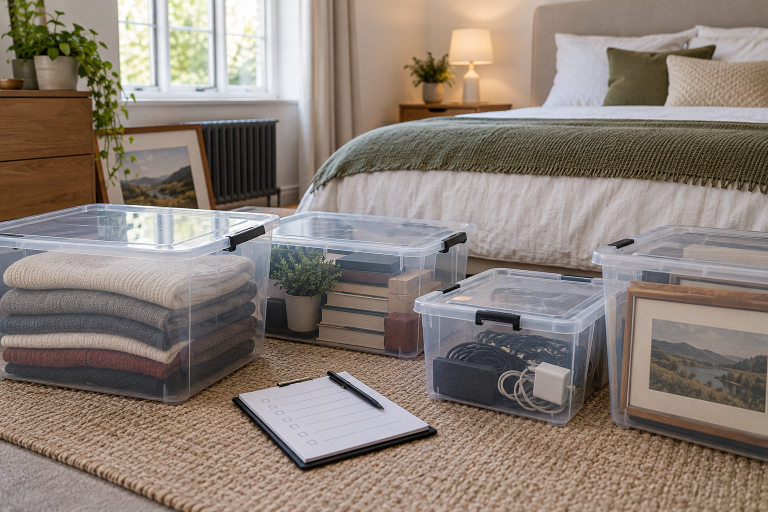
Follow the provider’s guidance about sleeping arrangements. Moving to a sofa or another bedroom can change where insects seek a host and complicate monitoring. Keep suspect belongings contained and processed items separate. Do not bring an uninspected suitcase or stored bag back into a treated room without checking the handling plan. Routine life can resume as advised, but avoid actions that undo containment.
Tell the provider if furniture was moved, a mattress was discarded or someone changed rooms after treatment. These facts can explain where new evidence appears. Do not hide an unplanned action out of embarrassment; the next decision depends on an accurate timeline.
What a useful log contains
Use one line per finding: date, room, exact position, type of sign, photograph number and what action you took. For example, “Tuesday, left headboard joint, one live suspect insect, photographed and sealed in container”. Do not write only “more bites” or “bugs back”. A concise record makes it possible to compare findings across visits and decide whether they are new.
Include the treatment date and method, follow-up appointments and any product instructions. Keep the record accessible to all household members involved, while protecting privacy in a shared home. In a rental or block, the landlord or managing agent may need a factual summary if access to other areas is required.
Store the log in one place and avoid separate, conflicting versions on different phones. If another resident takes a photograph, add the room and date before sharing it with the provider. This small habit reduces confusion when several similar bed-frame joints appear in the pictures.
When to request a follow-up sooner
Contact the provider promptly if you find a live bed bug, several new characteristic signs or activity in a previously unaffected room. Also report if treatment instructions cannot be followed because of a practical problem. Do not wait until the scheduled review while evidence accumulates. The provider can decide whether a targeted inspection, additional treatment or a change to the plan is warranted.
If a different pest is identified, the treatment plan changes. Fleas or carpet beetles may require different inspection areas and methods. A flea treatment assessment or carpet beetle assessment should follow evidence for those insects rather than assumptions from skin marks.
How long until you can be confident?
There is no universal number of quiet nights that proves a room is clear. Confidence depends on treatment method, access, extent of the original problem and follow-up findings. Ask the provider what period and evidence they use for your case. A completed monitoring plan with no new confirmed activity is stronger than a single symptom-free morning.
If another live insect is found, it does not automatically mean every part of the plan was wrong. The specialist may find an overlooked harbourage, an untreated item or activity crossing a shared boundary. A dated log helps locate the issue. Professional bed bug heat treatment, like other methods, still needs evidence-based review.
Make the next visit productive
Have your treatment record, dated photographs and any specimen ready. Keep the room accessible, and explain what has changed since the previous visit. Ask which findings are confirmed and what the next step will test. For a Harrow property, send significant new evidence through the contact page so the follow-up can focus on the relevant location rather than restarting from memory.