Bed bugs in a flat or shared house can involve more than one room, but a single confirmed case does not prove that every neighbour is affected. Effective management needs accurate identification, discreet communication and access to the places where evidence points. This guide explains how residents, landlords and managing agents can coordinate an inspection and treatment without spreading belongings or assigning blame.
Confirm what is known
Start with the actual evidence: a live insect identified as a bed bug, characteristic signs assessed in context or an inspection report. Bites alone cannot confirm the species. Record the room, bed, date and location of each finding. Keep a specimen in a sealed container if possible. A bed bug treatment assessment can distinguish confirmed activity from a suspicion that needs monitoring.
Use clear language in reports. “A bed bug was identified in the front bedroom on Tuesday” is more useful than “the entire block is infested”. If the result is uncertain, say so and agree what evidence is needed next. This protects neighbours from unnecessary alarm while allowing the managing agent to act promptly where evidence exists.
Why adjoining rooms may matter
Bed bugs can move with belongings and may also use cracks or service routes in a building. The likelihood of spread depends on layout, extent of activity and movement between spaces. A professional should decide which adjoining rooms, units or shared areas need inspection. The response may be targeted rather than building-wide, but access should be available if evidence points beyond the first room.
Tell the assessor about shared bedrooms, laundry facilities, recent furniture movement and any neighbouring reports. Do not enter another person’s home to look for signs. Respect privacy and arrange appointments through the responsible landlord or agent. A single uninspected boundary can limit confidence in a treatment plan if activity appears to cross it.

Report promptly and factually
Residents should tell the landlord or managing agent when bed bugs are confirmed or strongly suspected, providing photographs, a specimen if available and a short timeline. The manager can then arrange professional assessment, explain access needs and share preparation instructions. Avoid circulating close-up photographs of a neighbour’s room or personal information in a group chat. Give each household only the information it needs to participate.
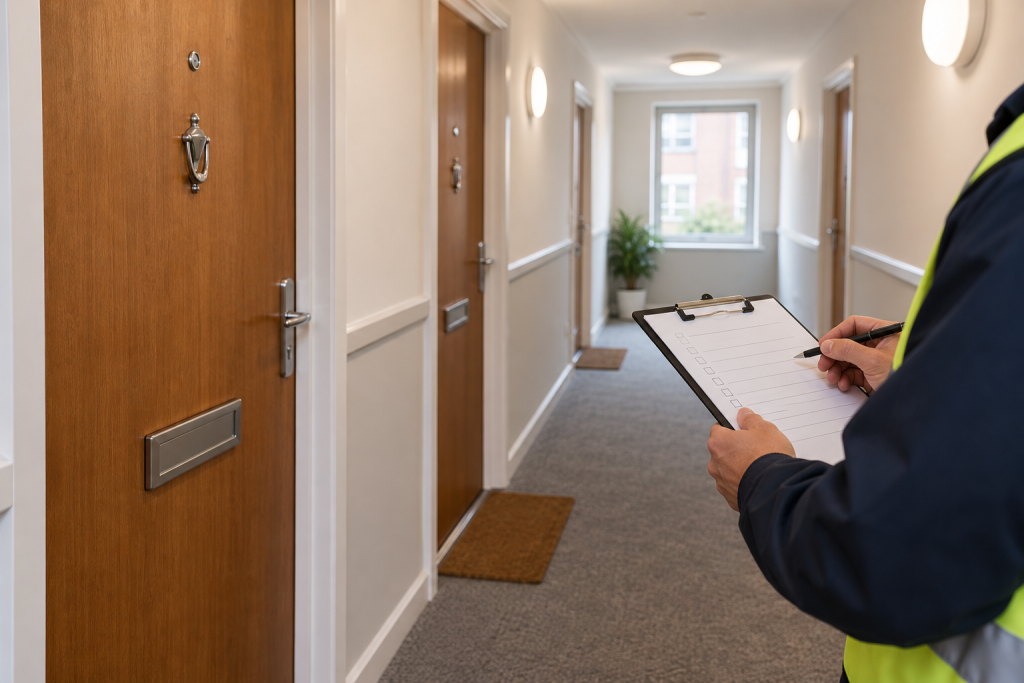
A written record helps: date of report, inspection appointment, rooms assessed, findings, treatment scope and follow-up date. If a room cannot be accessed, note that limitation and agree when it will be checked. A coordinated schedule is more useful than several residents booking unrelated treatments without sharing the building context.
Coordinate belongings and laundry
Moving loose bedding, clothing or furniture between flats can carry insects if they are present. Give residents a clear containment plan before preparation begins. Bag washable items in the affected room before carrying them to shared laundry, and follow the provider’s laundering instructions and fabric care labels. Keep processed items separate from unprocessed belongings. Do not place an untreated mattress or sofa in a communal hallway.
Shared laundry rooms need practical scheduling and cleaning, but they should not become a source of accusation. A professional can advise what handling is necessary for the confirmed case. Do not demand that every neighbour discard furniture as a precaution. Unplanned disposal can spread an issue and create cost without evidence of benefit.
Choose a treatment scope based on inspection
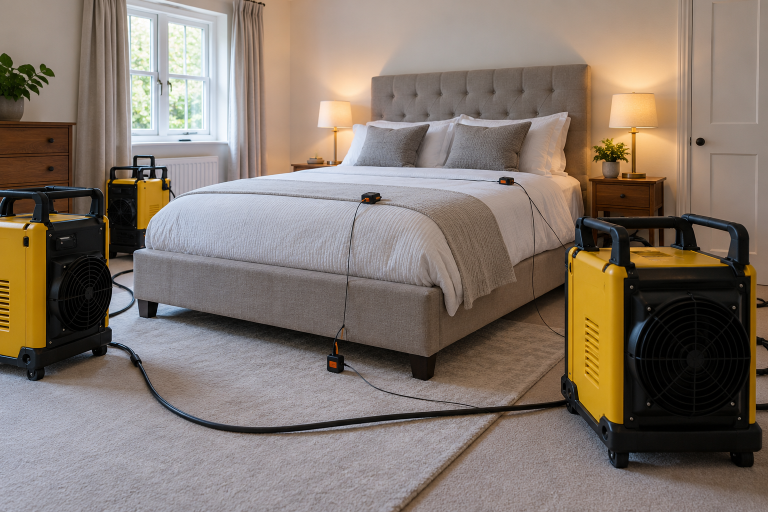
The provider should explain which rooms are confirmed, which are being monitored and which need treatment. A method may include heat, approved insecticide work or other measures appropriate to the building. The bed bug heat treatment option has specific preparation needs, particularly for heat-sensitive items and shared access. One flat’s preparation cannot be treated as independent if belongings cross a common corridor.
Ask how follow-up will be coordinated. If several rooms are treated on different days, the manager should know the schedule and whether movements between rooms are restricted. The goal is to avoid leaving a confirmed harbourage untreated while residents assume the problem has been resolved. A clear room-by-room record makes the plan reviewable.
Handle access and privacy respectfully
Residents should be told what areas an inspector needs to see and why. Arrange reasonable appointment windows and identify any mobility, language or safeguarding needs that affect preparation. Do not share a resident’s health information or blame a household for the pest. Bed bugs can travel with many kinds of belongings and are not a measure of cleanliness.
If access is refused or delayed, record the fact without speculation and discuss lawful options with the relevant manager. A pest controller cannot simply enter a private home. In some cases, a targeted monitoring plan can proceed while access is arranged. The building owner or agent may need separate legal advice about tenancy rights and duties.
Give residents one clear contact route
A building with several households can produce duplicate reports, missed appointments and conflicting advice. Name one person or team to collect pest evidence and pass it to the provider. Ask residents to include the room, date, photograph and whether a specimen was kept. The coordinator can acknowledge a report without sharing another household’s details. If treatment instructions change, distribute the updated version to everyone affected and state which earlier instruction it replaces. A common contact route also helps residents report practical barriers, such as a heavy bed that cannot be moved or a shared laundry room that is unavailable on the planned day.
Keep the contact route available through the follow-up period, not only until the first treatment appointment. New findings may emerge later and should reach the same professional team with the earlier case history attached.
Check for mistaken identity
In a large building, reports can multiply quickly after one resident raises concern. Some may be bites without environmental evidence or insects of a different species. Encourage clear specimens and photographs rather than treating every dark spot as a bed bug. A jumping insect may point towards flea treatment, and bristly larvae on fabrics may be carpet beetles. Identification keeps the response proportionate.
At the same time, do not dismiss a well-documented live specimen because another flat was clear. Activity can be localised. Each report deserves assessment on its own evidence and position in the building. A simple map of confirmed findings can help the professional determine whether there is a meaningful pattern.
Follow-up across the building
After treatment, residents should know what to record: live insects, new characteristic spots and the location of each finding. Skin reactions can vary and linger, so bites alone are not a reliable measure of success. The managing agent can collect concise factual reports and arrange the provider’s follow-up visits. Avoid sending residents conflicting instructions from different sources.
If new evidence appears in another unit, update the plan. That may require inspection of adjoining rooms, an untreated item or a shared route. It does not automatically show that the original work was ineffective. Dated evidence and a room-by-room record help the provider identify what changed.
A practical building plan
Confirm the species, report facts, arrange access to relevant rooms, give consistent preparation instructions and monitor after treatment. Keep suspect belongings contained and respect residents’ privacy. For a shared property in Harrow, the manager or resident can send the evidence, building layout and access details through the contact page to arrange a coordinated assessment.