A cockroach seen in one flat may be using a route that extends beyond that home. Service ducts, pipe penetrations, shared walls and communal rooms can connect areas that seem separate to residents. That does not establish where the insect came from, and it is rarely helpful to guess which neighbour is responsible. A record of sightings and a coordinated inspection are more useful than treating one cupboard repeatedly without understanding the building.
Why can activity move between flats?
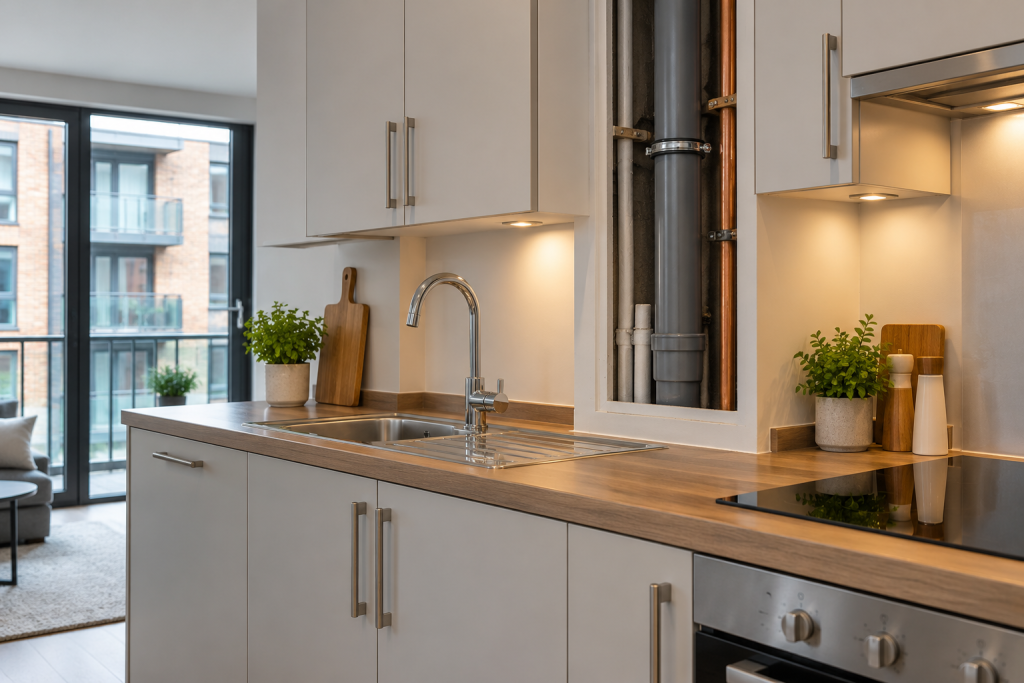
Many blocks contain vertical and horizontal spaces for plumbing, heating, wiring and ventilation. Fitted kitchens and bathrooms often conceal the openings where these services enter each unit. A cockroach may move through a gap around a pipe or along a wall void, especially where warmth, moisture and shelter are available. Doors, delivery areas and communal waste storage can create other routes. The exact path depends on the building, so a sighting beside a shared wall is a clue rather than proof.
German cockroaches are strongly associated with warm indoor settings. They may shelter in narrow gaps near kitchens, equipment and plumbing. An individual can also be introduced in packaging or second-hand goods. Because several routes are possible, the first task is to identify the insect and map where it has actually been found. Our cockroach treatment service can assess evidence in the context of the property rather than assuming a source.
Start a clear, neutral record
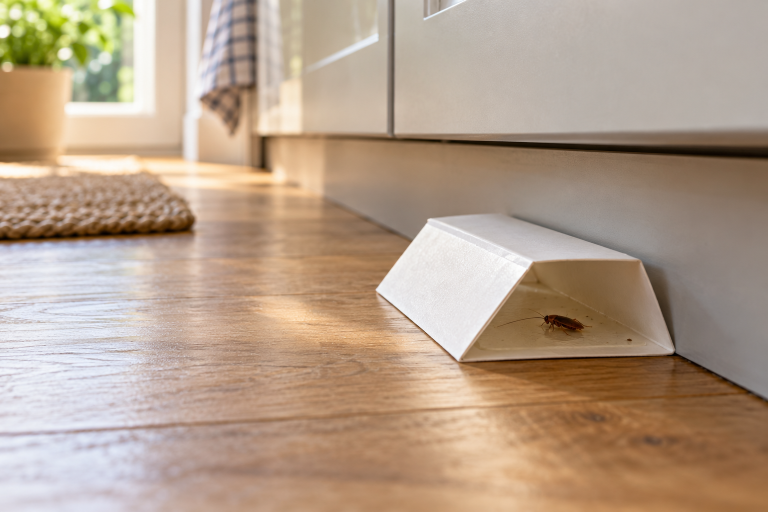
Take a sharp photograph of each insect if safe to do so. Write the date, time, room and exact position: for example, “under-sink cabinet beside hot-water pipe” is more useful than “in the kitchen”. Note whether the insect was alive, whether you saw immature stages, and whether a monitor caught anything. Photograph droppings or shed skins before cleaning them. If possible, retain a specimen in a sealed container for identification. A shared log kept by a managing agent can reveal a pattern across the building without relying on memory.
Do not publish a neighbour’s name or speculate about their housekeeping in a communal group. Cockroaches can appear in very clean homes, and the route may be structural. Report the observations to the landlord, managing agent or housing provider using factual language. Include photographs and dates, and ask how they will coordinate an inspection of shared routes or other affected units. Early, calm communication makes access and follow-up more likely.
What should be checked in your own flat?
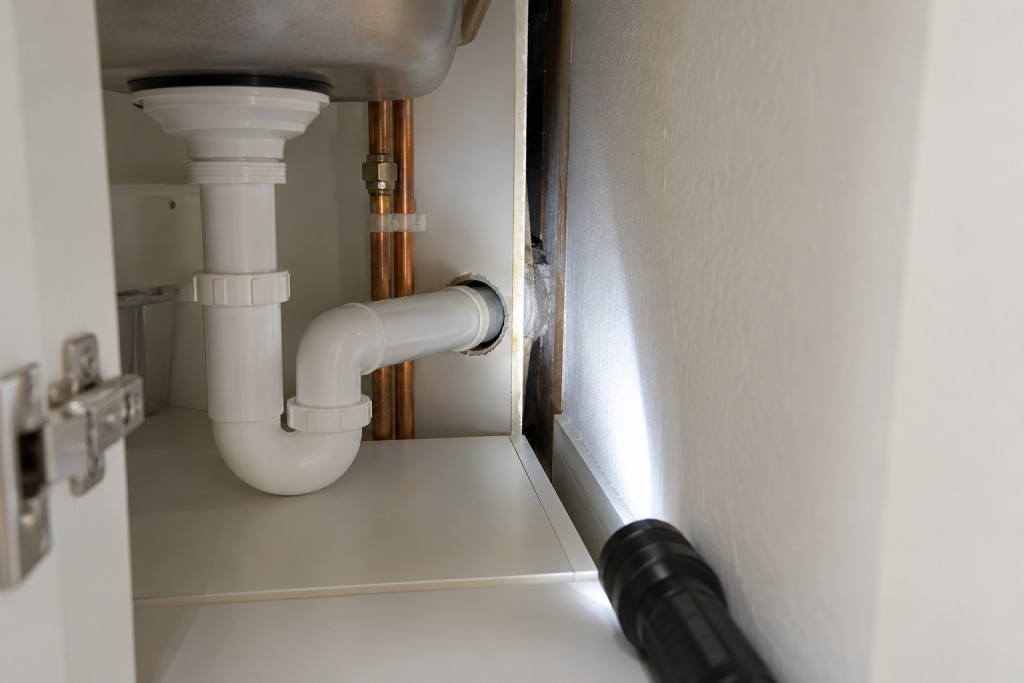
Inspect accessible sink cabinets, cabinet joins, skirting edges and the floor beside appliances using a torch. Look for water leaks, gaps around pipes and signs of activity. Do not move heavy appliances, remove fire stopping, open electrical panels or disconnect plumbing. Clear accessible food waste and store food securely. Record gaps so the technician can assess whether they are routes and how to address them safely. A gap should not be sealed blindly if it affects ventilation, fire protection or service access.
If you have a balcony, utility cupboard or adjoining bathroom, mention it to the inspector even if you have seen insects only in the kitchen. A service stack may pass through several rooms. The aim is to understand the connected space, not to turn every room into a treatment zone. The wider insect control team can help identify other insects that may have been mistaken for cockroaches.
Why can treatment of one flat fall short?
A targeted treatment inside one unit can address the activity found there. If insects are repeatedly entering through a shared void, however, new sightings may continue unless the route and other affected areas are assessed. Similarly, cleaning one flat cannot remove moisture or shelter in a communal riser. This does not mean every neighbour needs treatment. It means the responsible party should use evidence to decide which units and common areas warrant inspection, monitoring or work.
Coordinated visits can be more informative than separate calls weeks apart. Monitors in relevant accessible locations may help compare activity, and a technician can assess common waste areas and service routes. The plan should explain what each resident must do before and after a visit. A building manager can also arrange qualified repairs for leaks or structural gaps. Keep records of the dates and findings so follow-up is based on trends rather than isolated reports.
Who should contact whom?
As a resident, follow your tenancy or lease process for repairs and pest reports. Send the manager clear evidence and ask for a named contact for access and updates. If you own a flat, notify the freeholder or managing agent where common parts or shared services may be involved. A commercial tenant should also follow its own food safety and pest reporting procedures where relevant. If several residents have sightings, encourage each to report their own observations rather than compiling hearsay.
Ask the person organising treatment whether the contractor can inspect a shared riser, whether access to neighbouring units is needed and how privacy will be handled. Residents should receive practical preparation and aftercare instructions for their own homes. If you are booking a private survey, make clear that the property is a flat and describe any known building-wide reports. That context may affect what the technician can conclude from one visit.
A useful message to a managing agent
State that you have observed a suspected cockroach, attach a photograph, give the date and exact location, and describe any repeat sightings or visible gaps. Ask for identification, inspection of your unit and relevant common services, and a timetable for the next update. If a leak or waste issue exists in a communal area, report it separately as a repair. Keep a copy of the message and any replies. This creates an accurate record without assuming where the insects originated or what treatment the whole building needs.
Cleaning and proofing still matter
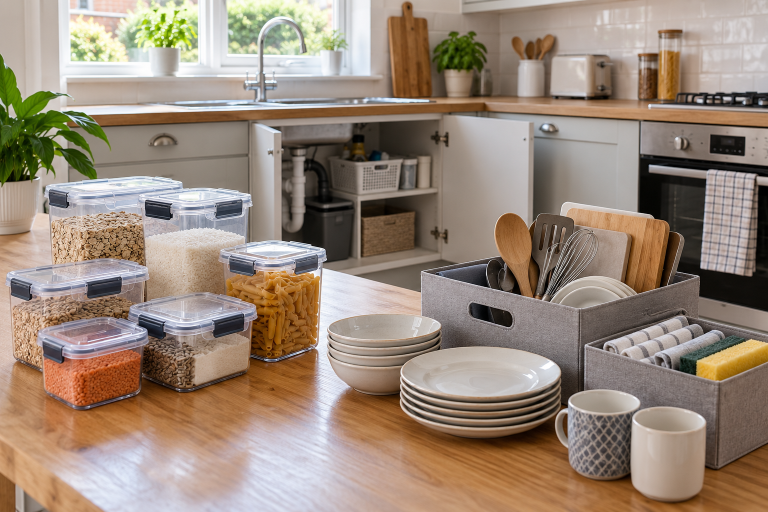
Keep food sealed, clear accessible crumbs and grease, remove rubbish regularly and dry spills. Repair an obvious leak through the appropriate maintenance route. These steps reduce resources and improve visibility. They do not identify the source of a shared infestation, but they support any treatment. Follow the technician’s direction about proofing: sealing a route after understanding it can help prevent movement, whereas filling random gaps may simply hide evidence or interfere with building safety features.
Avoid spraying into a service duct or around a shared wall without advice. It may expose other occupants, move insects and complicate monitoring. Household pesticides must be suitable for the exact use and applied according to the label. Professional-only products belong with trained operators. Tell the contractor about any product already used so it can be considered in the plan.
How do you know if the plan is working?
Keep a dated log of sightings and monitor catches by location. Report new evidence through the agreed contact and ask when follow-up is scheduled. A few observations immediately after disturbance may not tell the whole story; the pattern over several checks is more useful. If activity shifts to another room or reappears after a quiet period, share that detail. Effective building coordination depends on feedback from residents as well as work inside service areas.
For advice in Harrow, send insect photographs, your flat layout and a factual timeline through our contact page. The most practical approach is to confirm the insect, inspect the accessible routes, involve the building’s responsible party and make treatment and repairs part of a shared plan. That gives every affected household clearer steps and a better way to judge progress.