Preparing a kitchen for cockroach treatment is mostly about giving the technician safe access and preventing food contact with any treatment area. The exact instructions depend on the products and methods chosen after inspection. A blanket demand to empty every cupboard may create needless disruption, while leaving open food beside a treatment point is unhelpful. Use the provider’s written preparation advice as your main guide, and ask about any item you are unsure how to protect.
Start with the treatment plan
Before moving everything, find out which rooms and surfaces the technician needs to inspect. Cockroaches may shelter around appliance edges, sink plumbing, cabinet joins and other narrow gaps. Access to those places is often more important than clearing a cupboard on the opposite side of the room. Ask whether the visit is for inspection, treatment or follow-up, and whether any cabinets should be emptied. Record the arrival window and any instructions about people and pets returning to treated areas.
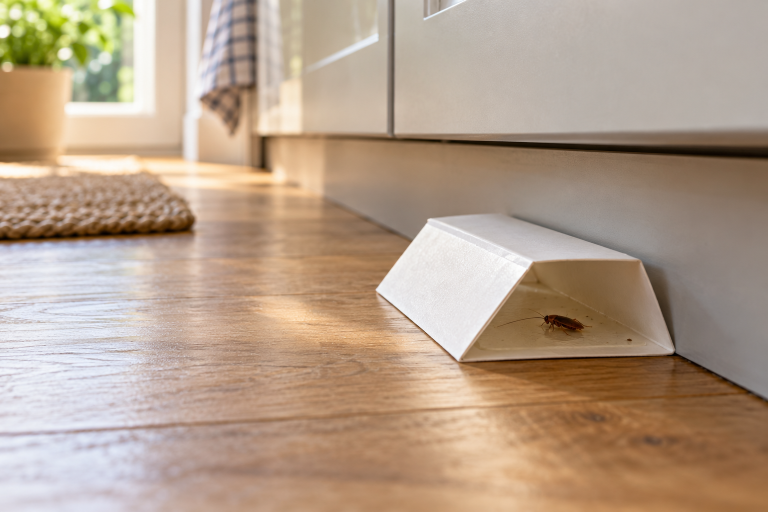
A professional may use monitors, baits or other targeted methods depending on the circumstances. Each has different preparation needs. For example, food crumbs and alternative water sources can affect how useful a bait is, while a monitor needs to remain in its chosen position. You should not assume that every kitchen will be sprayed. Our cockroach treatment service can advise on preparation once the site and activity have been assessed.
Store open food securely
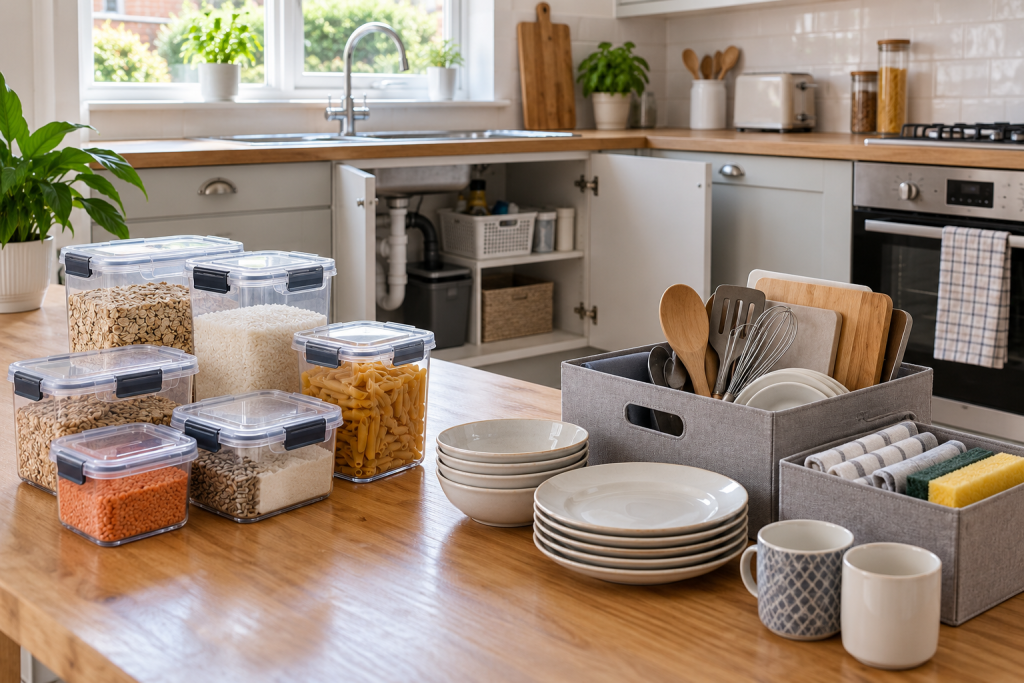
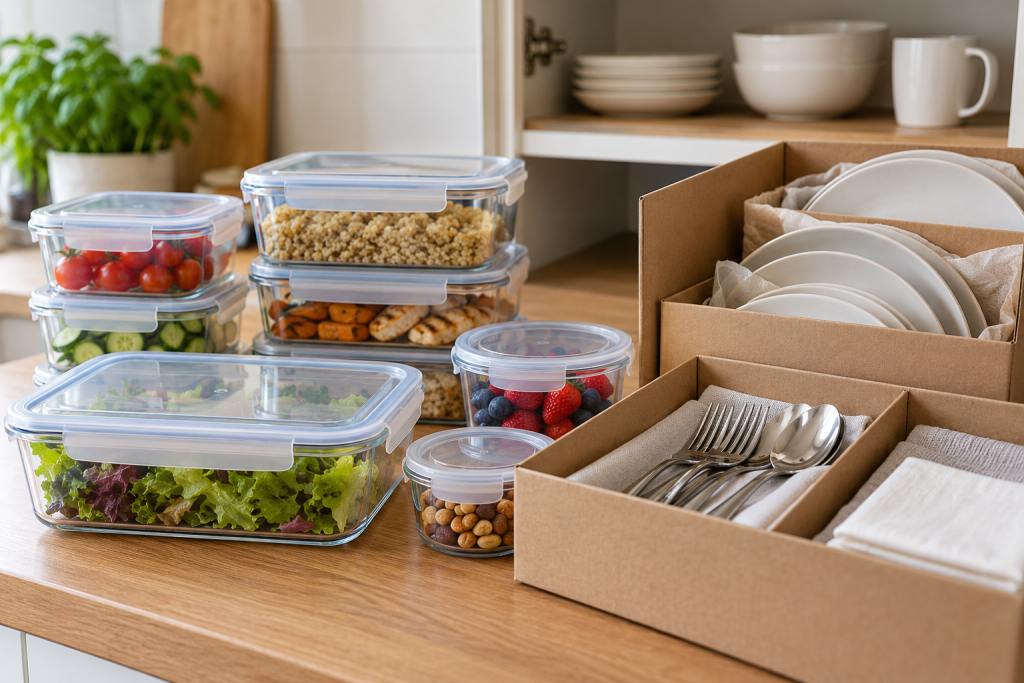
Move exposed food away from the inspection and treatment area. Close packets tightly or transfer their contents to suitable lidded containers. Pay particular attention to loose flour, rice, cereal, pet food and snacks stored in lower cabinets. Check for visible contamination, damaged packaging or insects before deciding whether an item remains usable. If you suspect food has been contaminated by pests, dispose of it rather than trying to clean the food itself. Do not place food on the floor while clearing a cabinet.
Keep worktops clear enough for safe inspection and ordinary food preparation later. If the provider instructs you to remove food from a specific cabinet, put it in a clean container or another room. Label boxes so items can return to the same area after any required waiting or cleaning period. Keep medicines and infant feeding items separate and tell the technician where they are stored. Never return food to a treated surface until the professional instructions permit it.
What about plates, cutlery and cooking equipment?
Follow the technician’s advice about which cupboards to clear. Where utensils might be exposed to a treatment, move them to closed, clean storage before the visit. Do not stack plates on an unprotected surface beside a suspected harbourage. Larger items such as pans and chopping boards can be boxed or covered appropriately if the provider agrees. After the visit, clean food contact items and surfaces as instructed, taking care not to remove a deliberately placed bait or disturb a monitoring point.
It is reasonable to ask exactly which surfaces may receive a product. A targeted application into a crack is different from treatment of an exposed shelf. The answer determines whether you need to wash a particular area before using it for food. If you have allergies, a household member with respiratory problems or special food handling requirements, mention them before treatment. The provider can explain the method and any site-specific precautions.
Clean for access, then preserve evidence
Remove loose rubbish, wipe accessible spills and wash ordinary dishes before the visit. This reduces competing food sources and helps a technician see droppings or other signs. At the same time, do not scrub away every suspect mark immediately before an inspection. Photograph any droppings, shed skins or egg cases first and note where they were found. Leave a monitor in place unless the provider asks you to move it. The aim is a usable kitchen and a clear picture of activity.
If you find a leak under the sink, arrange a repair and mention it. Persistent dampness can support activity. Do not disconnect plumbing or pull out a heavy appliance yourself. A technician can tell you which gaps need access; a qualified tradesperson should handle work that involves gas, fixed electrics or plumbing beyond simple maintenance. The wider insect control team can help identify a suspect insect if you have photographs but no confirmed diagnosis.
Keep children and pets out of the work area
Arrange another room or suitable care for children and pets during the visit if the provider requires it. Remove pet bowls, toys and bedding from the treatment area, and tell the technician where pets normally feed or rest. Aquariums and other sensitive animals need specific discussion before any product is used. Do not guess a safe re-entry time: ask for the instructions that apply to the actual treatment. Keep the written product and aftercare information where the household can find it.
If someone else will meet the technician, leave them the list of sightings, photographs, previous product use and your questions about food contact surfaces. Make sure they know which cupboards contain food, utensils or medicines. Good handover prevents a rushed decision when the operative arrives. It also helps the provider avoid interfering with items that cannot be moved easily.
Avoid last-minute DIY pesticide use
Do not spray cabinets or appliance gaps immediately before a professional visit. A spray may scatter insects, contaminate stored items or interfere with a planned bait or monitor. If you have used a product already, tell the technician its name, date and application location. Any household pesticide must be authorised for its intended use and applied exactly as its label says; professional-only products should not be used by untrained occupants. More chemical is not a substitute for finding the harbourage.
Steam cleaners and strong degreasers can also change the area the professional needs to inspect. Ordinary hygiene remains worthwhile, but avoid aggressive cleaning in a documented hotspot after you have been told to preserve evidence. If the kitchen is a food business, follow its pest control and food safety procedures and discuss the treatment with the person responsible for hygiene records.
A short preparation checklist
Before the visit, photograph the insect and any signs, write down the rooms and times of sightings, secure open food, wash and put away dishes, and clear only the cabinets the provider identifies. Place moved items in clean, closed storage. Note leaks, gaps and previous products used. Tell the household where they can stay during treatment and keep pets away as directed. Have the technician’s instructions to hand so you can check them on the day. If a direction is unclear, ask before moving an appliance or washing a surface that may be part of the treatment.
After the appointment
Ask which areas were inspected or treated, what products or devices were used, and what you should do before preparing food again. Confirm whether a shelf needs wiping, whether a bait point must stay untouched, and when monitors should be checked. Follow the exact re-entry and cleaning instructions. Keep food in closed containers and continue sensible cleaning without disturbing the treatment. Record new sightings by date and location rather than assuming that one insect means failure or success.
Follow-up can matter because hidden stages and routes may not be apparent on the first visit. If activity continues, share your record with the provider. Contact us through the Harrow enquiry page for site-specific preparation advice, especially if your kitchen has fitted appliances, shared service voids or vulnerable occupants. The goal is a safe, accessible kitchen and an inspection based on what is really happening.